

Xi, Lula Guests of Honor as Russia Prepares to Celebrate Victory Day
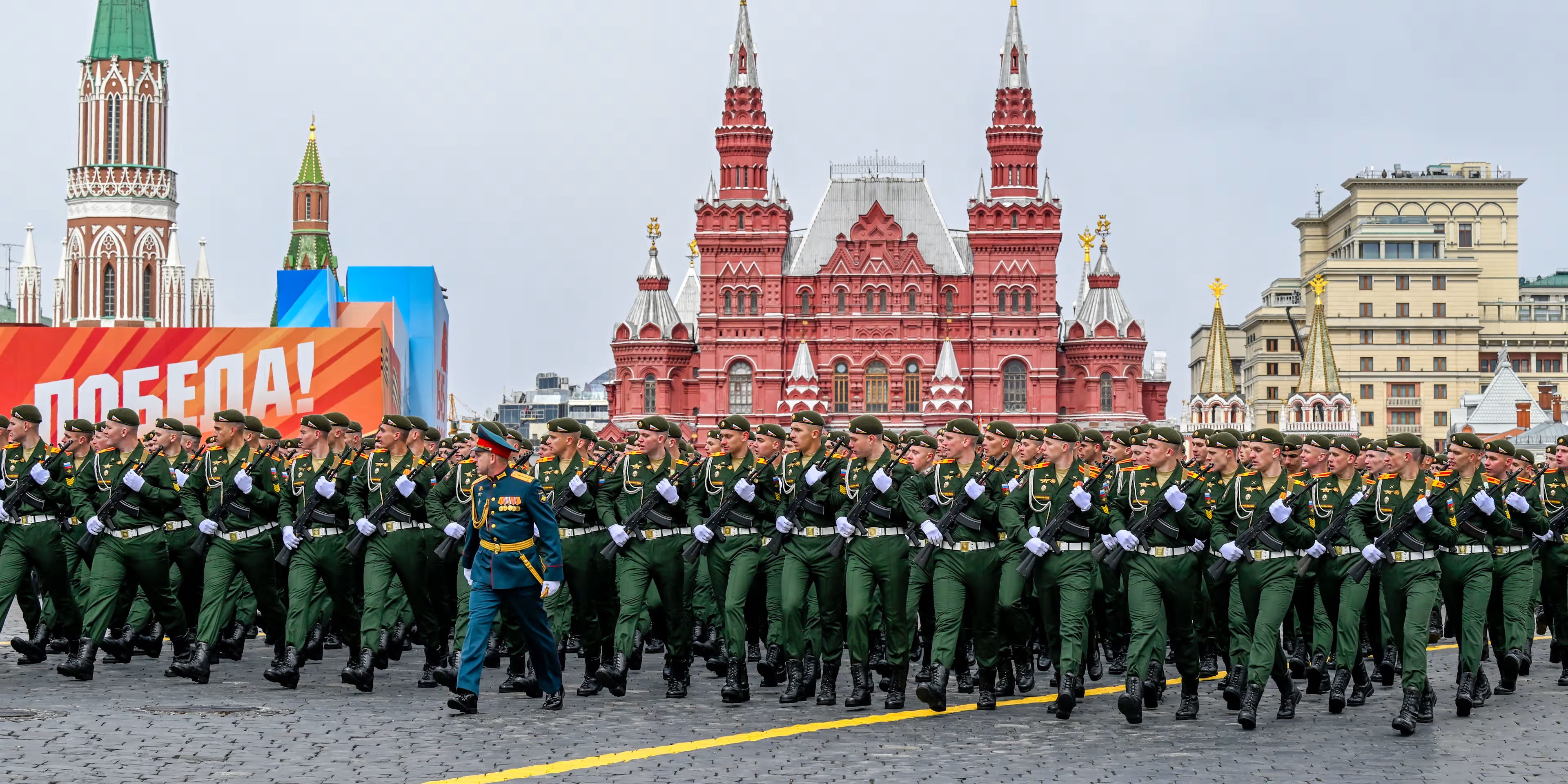
Military parades may be about honoring the past, but they are also a way to project power in the present. In the case of Russia, they also represent an attempt to reframe history, as Putin has consistently likened his invasion of Ukraine to the defeat of Nazi Germany.
Before Leonid Brezhnev made 9 May a public holiday in 1965, Russia's commemoration of WWII was subdued in light of the country’s significant sacrifice and loss of over 27 million lives. However, as the Cold War intensified, Victory Day turned into a display of military strength for the West.
Under Vladimir Putin, Victory Day displays have grown more elaborate, featuring missiles, troops, and aircraft. This year's event, marking the 80th anniversary of Nazi Germany's defeat, promises to be the most extravagant, including re-enactments and a replica of the Reichstag that will be stormed and deflagged. That Victory Day has become the country’s most significant secular holiday, speaks to Russia’s interpretation of the outcome of the second World War – a view which continues to shape its policy towards Germany and the West.
On Friday, May 9th , President Vladimir Putin will host leaders of China, Brazil, and other heads of states for various festivities, including a large parade through Red Square - a spectacle aimed at projecting power and solidifying alliances. Putin described Chinese President Xi Jinping as “our main guest.” The leaders are expected to discuss both bilateral and global issues during Xi’s four-day visit, which started Wednesday. Discussions will supposedly include trade and Russia’s supply of oil and gas to China, as well as cooperation within BRICS. Brazil’s President, Luiz Inácio Lula da Silva, arrived Wednesday for his first official visit to Moscow since the invasion of Ukraine. Other attendees include Slovakia’s Prime Minister Robert Fico, Serbia’s President Aleksandar Vucic, and the leaders of Cuba, Venezuela, Vietnam, Burkina Faso, and several former Soviet nations. All told, leaders from more than two dozen countries are expected to attend, and Putin is expected to hold over 15 bilateral meetings. India’s Prime Minister Narendra Modi notably canceled his trip to Moscow amid tensions with Pakistan, following an attack on tourists in Indian-controlled Kashmir. Despite these tensions, India remains a key trading partner and defense supplier for Russia.
This year’s lineup of leaders attending the historic day for Russia contrasts sharply with past celebrations, which during periods of friendlier ties between Russia and the West, included top Western leaders. Western leaders stopped attending the celebrations following Russia’s annexation of Crimea in 2014.
The upcoming festivities have been overshadowed by reports of Ukrainian drone attacks targeting Moscow and severe disruptions at all four of the capital’s airports. Heightened security around the celebrations has led to restrictions on cellphone internet service and reports of outages. Banks and taxi firms have proactively warned customers about potential service disruptions due to unstable internet access, and some shops and supermarkets have limited deliveries due to possible network issues.
U.S. President Donald Trump, who altered Washington’s policy towards Russia this year, will not be attending this Friday.