

Varda and United Semiconductors Sign Joint Development Agreement
On October 31st, Varda Space Industries and United Semiconductors announced a multi-flight joint development agreement focused on producing semiconductors in orbit for terrestrial applications.
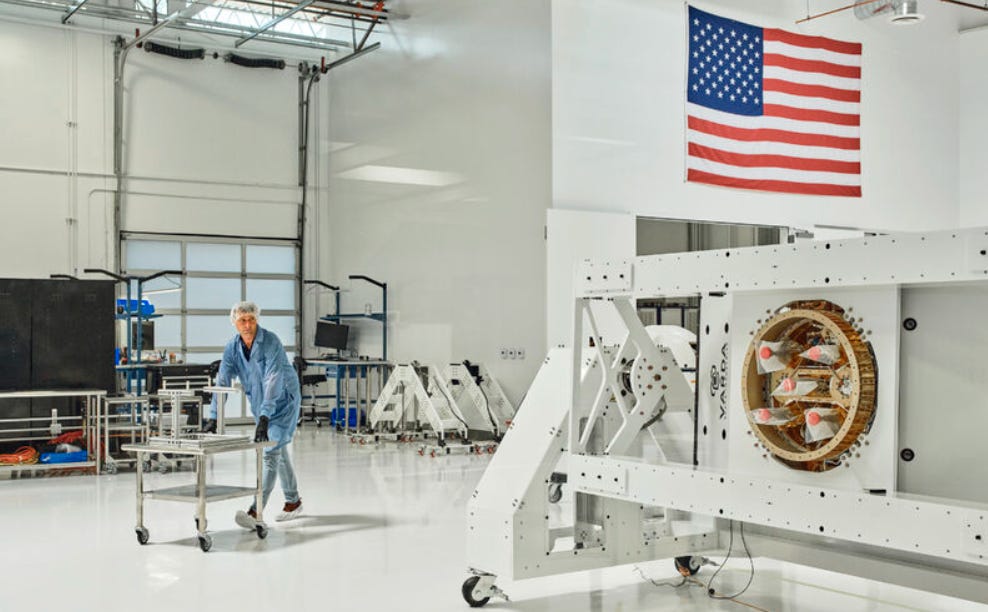
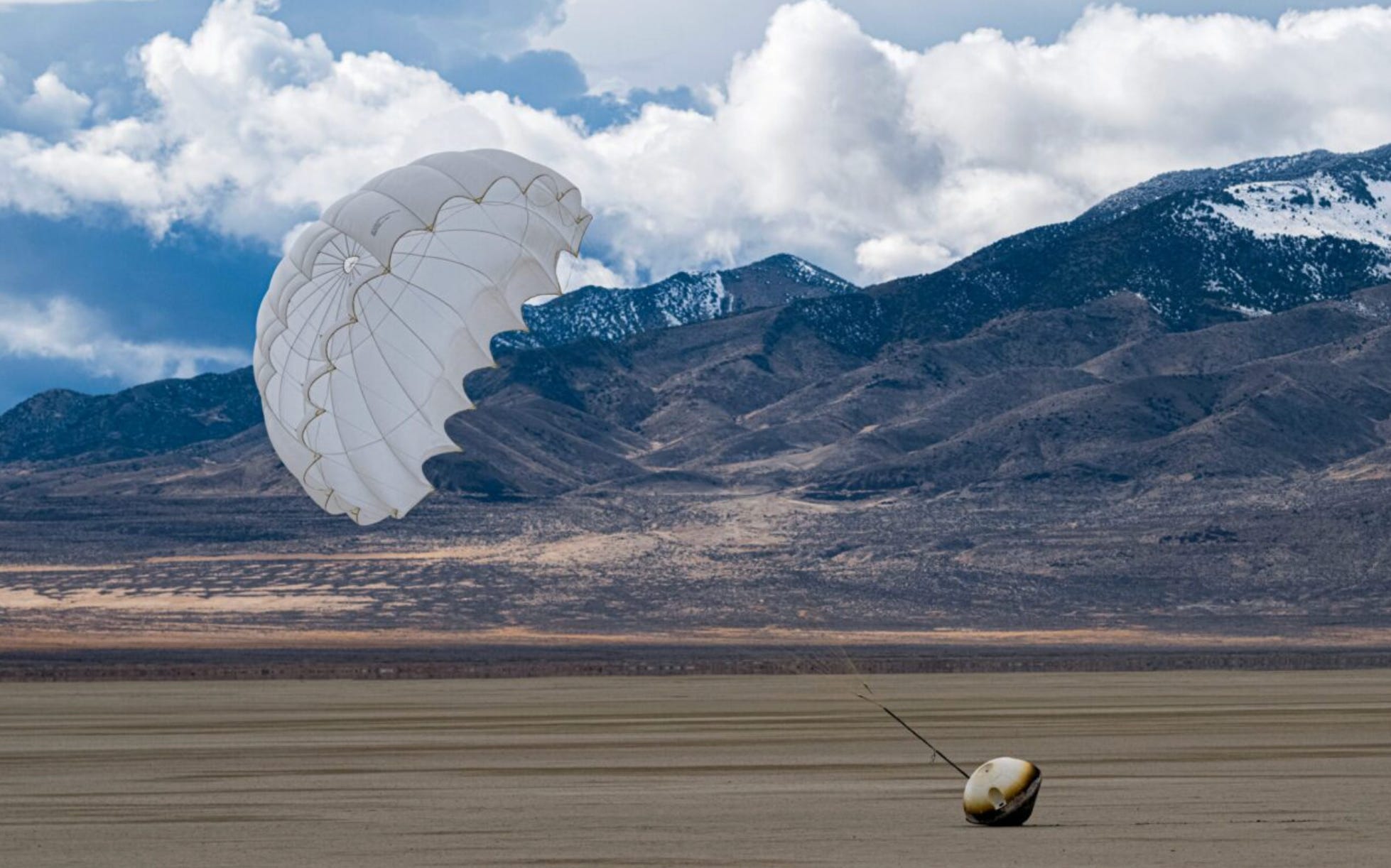
Varda designs and constructs autonomous, reentry-capable satellites intended for material processing within microgravity environments. While Varda primarily leverages its W-Series reentry vehicles for pharmaceutical research, their efficiency and cost-effectiveness also allow them to support payloads serving diverse purposes and clientele.
The collaboration with United Semiconductors represents the inaugural partnership between Varda and a company that has previously conducted NASA-funded experiments aboard the International Space Station.
To date, Varda has successfully completed three missions, with its fourth mission (W-4) currently in orbit. A fifth mission is scheduled to launch in the coming weeks, followed by four additional launches anticipated in 2026.
United Semiconductors, building on its experience from the International Space Station and its terrestrial semiconductor substrate foundry, has established processes for commercial orbital manufacturing of crystals supporting high-throughput semiconductor material production. These advancements are tailored for next-generation autonomous systems, sensing technologies, artificial intelligence, aerospace, and defense applications.
“Autonomous infrastructure is essential for rapidly experimenting and developing next-generation products manufactured in space,” stated Dr. Partha Dutta, Chief Technologist of United Semiconductors LLC (USLLC). “We are excited to collaborate with Varda, currently the only company offering a free-flying platform capable of scaling in-space production through routine reentry operations.”
Manufacturing materials in microgravity enhances the quality, yield, and reliability of semiconductor devices, yielding performance improvements unattainable via terrestrial methods. As the International Space Station approaches the end of its operational lifespan and commercial space stations emerge, the United States faces a transitional phase regarding orbital infrastructure.
Efficiency in orbital research and manufacturing will be maximized through a diverse array of platforms, including autonomous vehicles. “A sustainable, productive future in space necessitates viewing crewed and uncrewed missions as complementary rather than competitive,” wrote Francisco Cordova, COO of ISSNL. “The path forward from the ISS is not a fork but a runway, requiring every available capability to propel future advancements.”
Varda’s capsules deliver capabilities for rapid iteration, testing, and manufacturing beyond human-tended space stations and can be deployed flexibly and at scale due to frequent flight opportunities. Additionally, these systems enhance operational adaptability and safely manage toxic chemicals and high-temperature materials, proving more economical when tasks do not require human involvement. “Varda’s W series vehicle bridges the gap for materials development and production in low Earth orbit. We are delighted that United Semiconductors is utilizing our platform to move beyond experimentation toward economically viable, scaled production,” commented Eric Lasker, Varda’s Chief Revenue Officer.
Related:
Varda Announces $187 million in Series C Funding to Make Medicines in Space
Space Forge and United Semiconductors to collaborate on space-based semiconductor manufacturing