

Valthos Announces $30 Million Funding Round Led by OpenAI, Lux Capital, and Founders Fund to Develop Advanced Biodefense Solutions
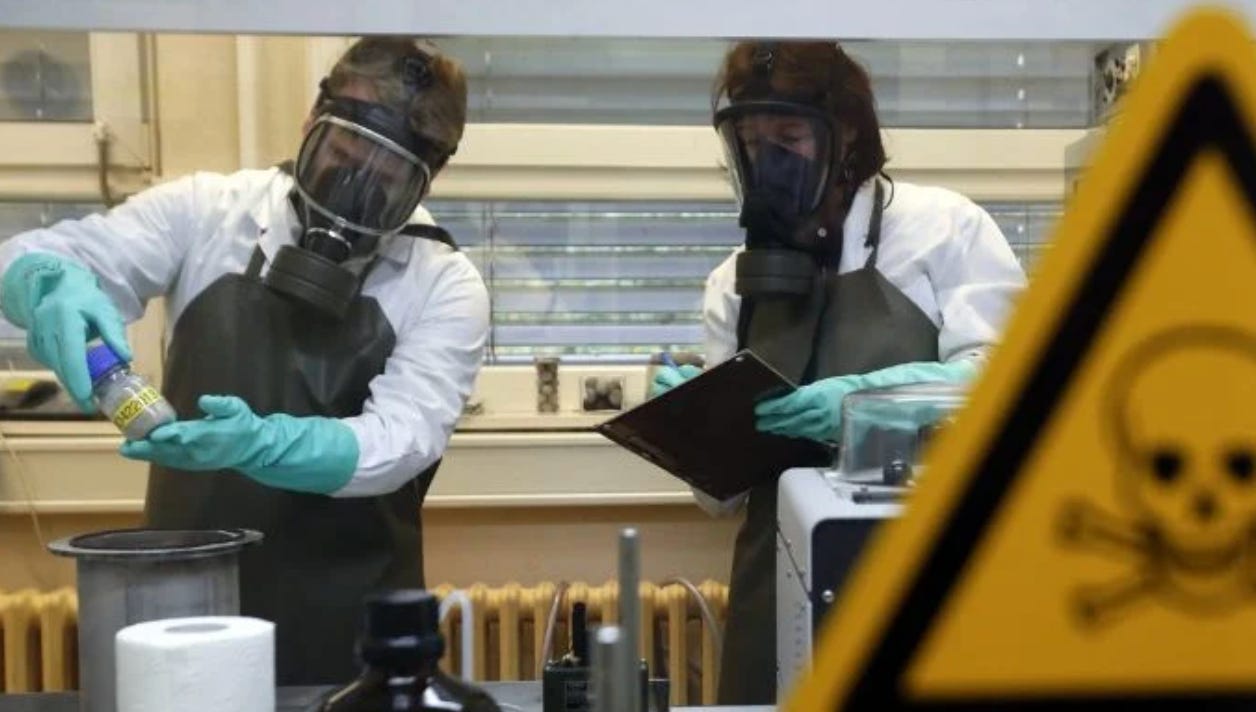
On October 30th, biosecurity software startup Valthos emerged from stealth mode with $30 million in funding, supported by prominent investors such as OpenAI, Founders Fund, and Lux Capital. The San Francisco, CA headquartered company is dedicated to addressing threats posed by AI-engineered bioweapons. Recent funding will go towards hiring engineers and researchers to expand its platform for government and life sciences partners.
According to Valthos, technological advancements have made it more expedient to weaponize biology than to develop new cures. Industry leaders in artificial intelligence recognize this trend as a significant contemporary threat. The company is developing systems aimed at rapid identification and neutralization of risks to human health, regardless of their origin.
Vathos, which was co-founded last November by CEO Kathleen McMahon, formerly Head of Life Science at Palantir Technologies and Tess van Stekelenburg, a former researcher of computational neuroscience at the University of Oxford, consists of a nine-member team with experience from Palantir, DeepMind, the Broad Institute, and the Arc Institute. Their mission is to design AI platforms capable of swiftly characterizing biological sequences and updating medicines in real-time, thereby strengthening current biodefense efforts and paving the way for adaptive, precision therapeutics.
Investor enthusiasm for the biosecurity sector reflects its emergence as a critical frontier in national and global defense. The increasing risks associated with bioterrorism and biological warfare are amplified by advances in artificial intelligence. Notably, the US Department of Defense’s 2023 Biodefense Posture Review highlighted covert biological weapons programs and the growing feasibility of developing such agents due to biotechnology innovations. Similarly, recent policy statements have acknowledged that while AI will drive progress in biology, it also introduces new vulnerabilities, enabling malicious actors to synthesize harmful pathogens efficiently.
Reports from organizations such as CSIS and the Center for AI Safety indicate that large language models may soon lower informational barriers, making biological attacks more accessible. The National Security Commission on Emerging Biotechnology has noted that the convergence of AI and biotechnology will reshape domains ranging from national defense to public health, observing that some countries are advancing rapidly in this field.
In response to these challenges, Valthos intends to leverage vast biological datasets, from sources including wastewater and atmospheric samples, to detect bio threats preemptively. Despite the data’s complexity and volume, especially given global population mobility, the company aims to build AI-powered tools for comprehensive monitoring. Valthos plans to collaborate with pharmaceutical partners to develop and distribute medical countermeasures, providing rapid response capabilities to emerging threats.
McMahon emphasized the importance of timely detection and deployment of countermeasures as pivotal to deterrence and containment. While Valthos is not alone in this endeavor, its backing and strategic focus distinguish it within the sector. Gingko Bioworks provides large-scale pathogen monitoring and DNA synthesis screening services for government agencies, UK-based Portal Biotech develops portable sensors for early detection, and EvolutionaryScale, which recently secured $142 million in seed funding, develops large language models aimed at biology applications such as drug discovery and microbial engineering.
The continued advancement of biosecurity technologies remains essential to mitigating future risks and bolstering global resilience against threats such as pandemics.