

UK Space Agency Invests £6.5 Million in International Projects
The UK is eager to build a strong independent space industry, but recognizes it needs global collaboration to succeed. At the recent International Astronautical Congress in Sydney, involving partners from Australia, Canada, France, Germany, India, Japan, Lithuania, and the US, the UK Space Agency (UKSA) revealed it will invest £6.5M ($8.8M) across 23 partnerships between UK and international space organizations of the countries in attendance through the second round of its International Bilateral Fund (IBF).
Two UK startups, Lodestar and Lúnasa, each secured two IBF awards, highlighting the country’s focus on defense and in-space satellite servicing for its long-term space ambitions.
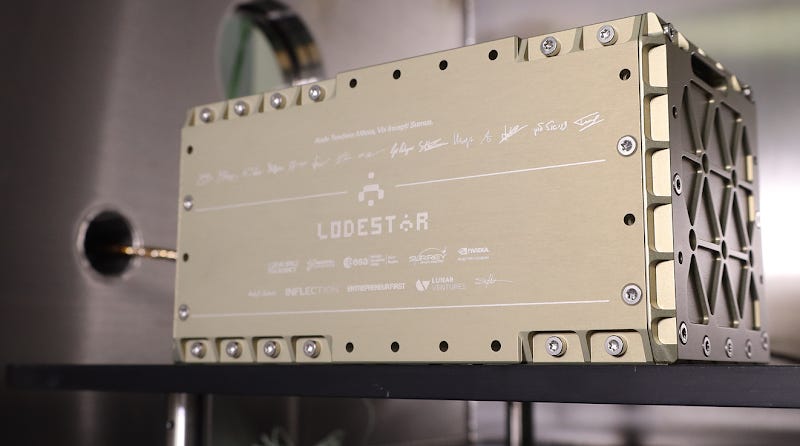
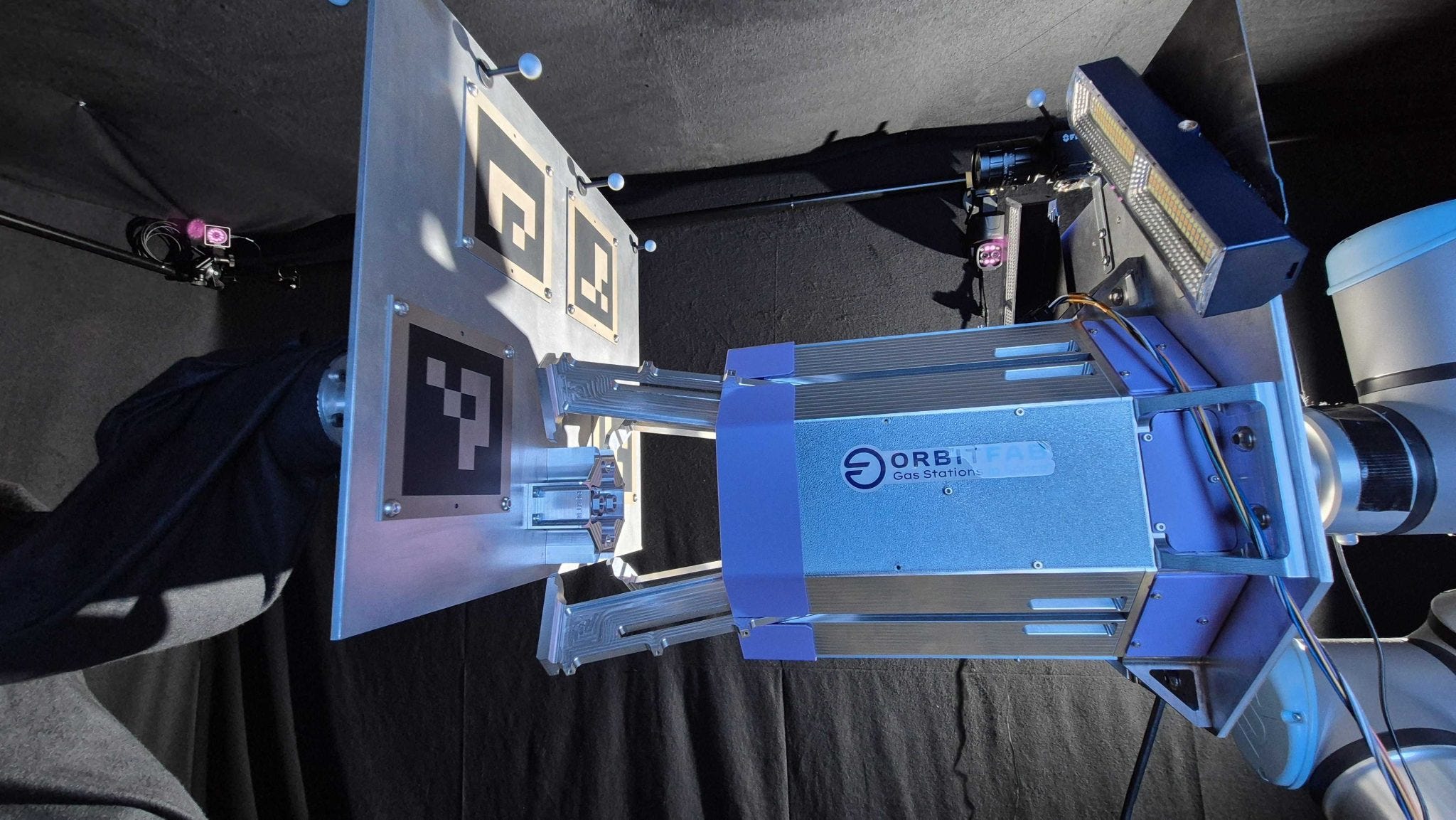
Lodestar, which specializes in in-space bodyguard technology, received funding for two projects to advance its dual-use sensor and rendezvous proximity operations (RPO) capabilities. The company joined forces with US-based Impulse Space on a £363,000 ($489,000) initiative that will test Lodestar’s Mithril machine vision and edge-compute platform using Impulse’s Mira satellite bus in a ground-based demonstration. Lodestar also partnered with Germany’s The Exploration Company (TEC) on a £366,000 ($493,000) project to develop sensors for TEC’s Nyx spacecraft, paving the way for future missions to the ISS.
Lúnasa won a total of £759,000 ($1M) for two in-orbit servicing projects in partnership with Australia’s Space Machines Company and France’s Infinite Orbits, aiming to integrate its RPO technologies.
While the main goal of the IBF is to boost UK space tech and strengthen ties with international partners, it may also attract more private investment. “When the International Bilateral Funding came out, we both [Lodestar and Impulse] jumped on it immediately,” explained Lodestar cofounder and CTO Thomas Santini to Payload. “As a company, we want to cross the valley of death and demonstrate our R&D with our own resources…[but] this is a great way to de-risk initial integration.”
“This £6.5m boost shows Britain leading the way in space innovation,” said UK space minister, Liz Lloyd. “From improving mobile coverage to monitoring Earth’s forests, these 23 projects will create jobs, strengthen partnerships with our allies and keep the UK at the cutting edge of space technology. It’s an exciting time for our space sector and great news for British businesses reaching for the stars.”
UK Space Agency chief executive Paul Bate added: “These new projects span the full spectrum of UK space expertise, from telecommunications, propulsion and environmental monitoring to cutting-edge technologies that could change how we develop treatments for deadly diseases using microgravity. By combining home-grown talent with global expertise, we want to strengthen our capabilities, support growth and ensure the UK remains at the forefront of space innovation.”