Trumps New Tariffs Hit U.S. Space Stocks
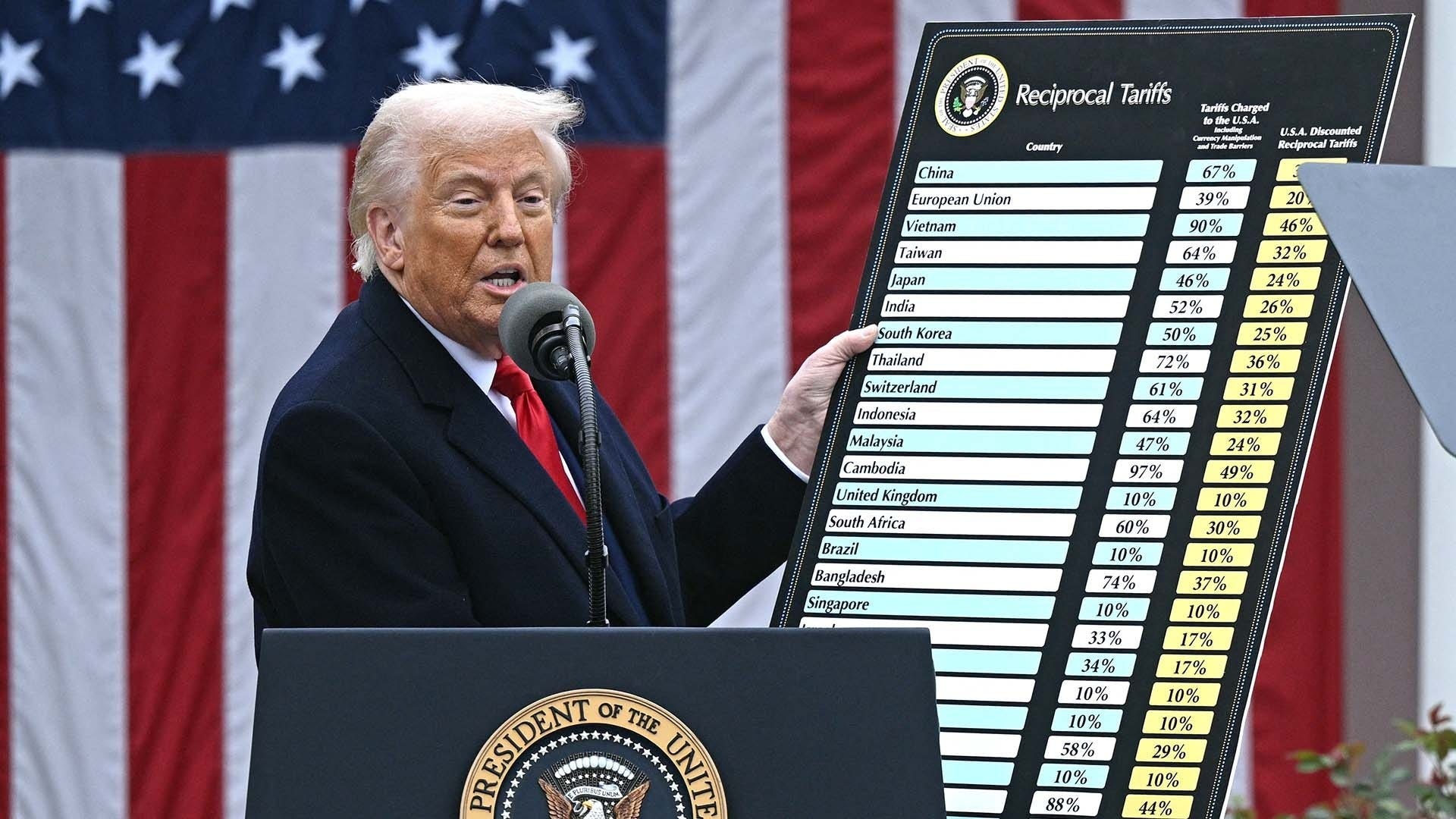
Space companies faced a significant stock market decline as governments globally responded to the sweeping U.S. tariffs affecting numerous countries. Shares of UFO, an exchange-traded fund (ETF) containing an international mix of 30 space companies, fell 12% following U.S. President Trump’s global import tax announcement on April 2. This decline surpassed that of the S&P 500 index, which experienced its largest drop in years, although certain space companies outperformed the broader market. Shares in Rocket Lab and Viasat, the largest U.S.-based holdings in UFO’s portfolio, decreased by 15% and 13%, respectively.
Andrew Chanin, CEO of ProcureAM, likened the situation to “throwing the baby out with the bathwater,” emphasizing the widespread uncertainty regarding the impact and persistence of the events. China, facing a 34% tariff, announced a reciprocal 34% import tax on April 4, accompanied by other retaliatory measures set to take effect on April 10. The European Union and other U.S. trade partners are assessing their options. Tariffs require companies importing foreign goods to pay a tax to the government where the goods are brought in.
According to James Gellert, executive chair at RapidRatings, the U.S. space industry relies on a globally interconnected supply chain, sourcing materials such as semiconductors, electronic components, steel, plastics, resins, and specialized fuel from countries affected by Trump's tariff list. Consequently, manufacturing costs are expected to rise significantly. He highlighted that small and medium-sized suppliers, which form the backbone of the space industry, would be the most adversely affected. These companies are already under pressure from rising interest rates, persistent inflation, and post-COVID market trends, having suffered an average 233% decline in Net Profit After Taxes since 2019. The company’s Financial Health Rating, measuring the likelihood of default over the next 12 months, indicates that even minor declines can considerably impact perceived stability. Blanket stress testing conducted by RapidRatings found that 25% tariffs on Canadian, Mexican, and Chinese goods led to an average financial health decline of 5.2 for public aerospace suppliers and 5.3 for private counterparts.
China’s tariff response targets rare earth elements critical to the space industry, imposing stricter export controls on materials essential for electric propulsion systems, advanced sensors, and magnet-based technologies. Affected elements include Yttrium, Europium, Terbium, Gadolinium, and Samarium-cobalt magnets. China nearly monopolizes the supply of these rare earths, making stricter regulations potentially impactful for the space industry.
U.S. space executives are eager to mitigate supply chain disruptions and increased costs by bolstering domestic production to adapt to the Trump administration’s “America First” trade policies. While the industry braces for near-term financial strain, there are longer-term benefits from increasing domestic capabilities, including an accelerated shift toward automation. Lockheed Martin and Airbus executives are still evaluating the impact of recent tariff announcements, while Boeing, Maxar, and L3Harris declined to comment. SpaceX and other U.S.-based satellite makers did not respond to requests for comment.
Spacefaring nations could diversify their supply chains by investing in alternative sources of rare earths. This includes ramping up domestic mining and refining capabilities and partnering with resource-rich nations like Australia and Canada. As for the broader impact of U.S.-China tariffs on the space industry, the increased production costs for satellite and launch providers could delay missions or reduce price competitiveness. The geopolitical climate injects risk into financing decisions, causing venture capital and institutional investors to become more cautious, especially with hardware-intensive startups reliant on global supply chains.
SpaceX faces unique challenges amid the intensifying global trade war. Ontario Premier Doug Ford announced plans to cancel a $68 million contract with SpaceX’s Starlink broadband subsidiary due to U.S. tariffs. Yukon Premier Ranj Pillai also stated that the territory would begin reviewing and canceling unnecessary Starlink accounts.
Mat Dunn, SpaceX’s senior director of global business and government affairs, emphasized that SpaceX’s vertically integrated manufacturing minimizes dependency on imports but noted regulatory barriers in other countries still increase costs. He urged the U.S. Government to address foreign regulatory complexities and trade barriers to support continued U.S. leadership in the space domain. Dunn highlighted issues such as import duties on Starlink equipment and spectrum access fees, which artificially inflate operating costs. Additionally, some countries require pre-coordination on spectrum sharing with domestic satellite operators, creating protectionist non-tariff trade barriers that hinder service improvements. Foreign operators have used these policies to obstruct SpaceX from enhancing service quality and reducing costs for customers in these countries.