

The Second Drone Revolution
Ukraine is moving beyond tactical drones and building a strike architecture that reaches deep into Russia's military and economic infrastructure.
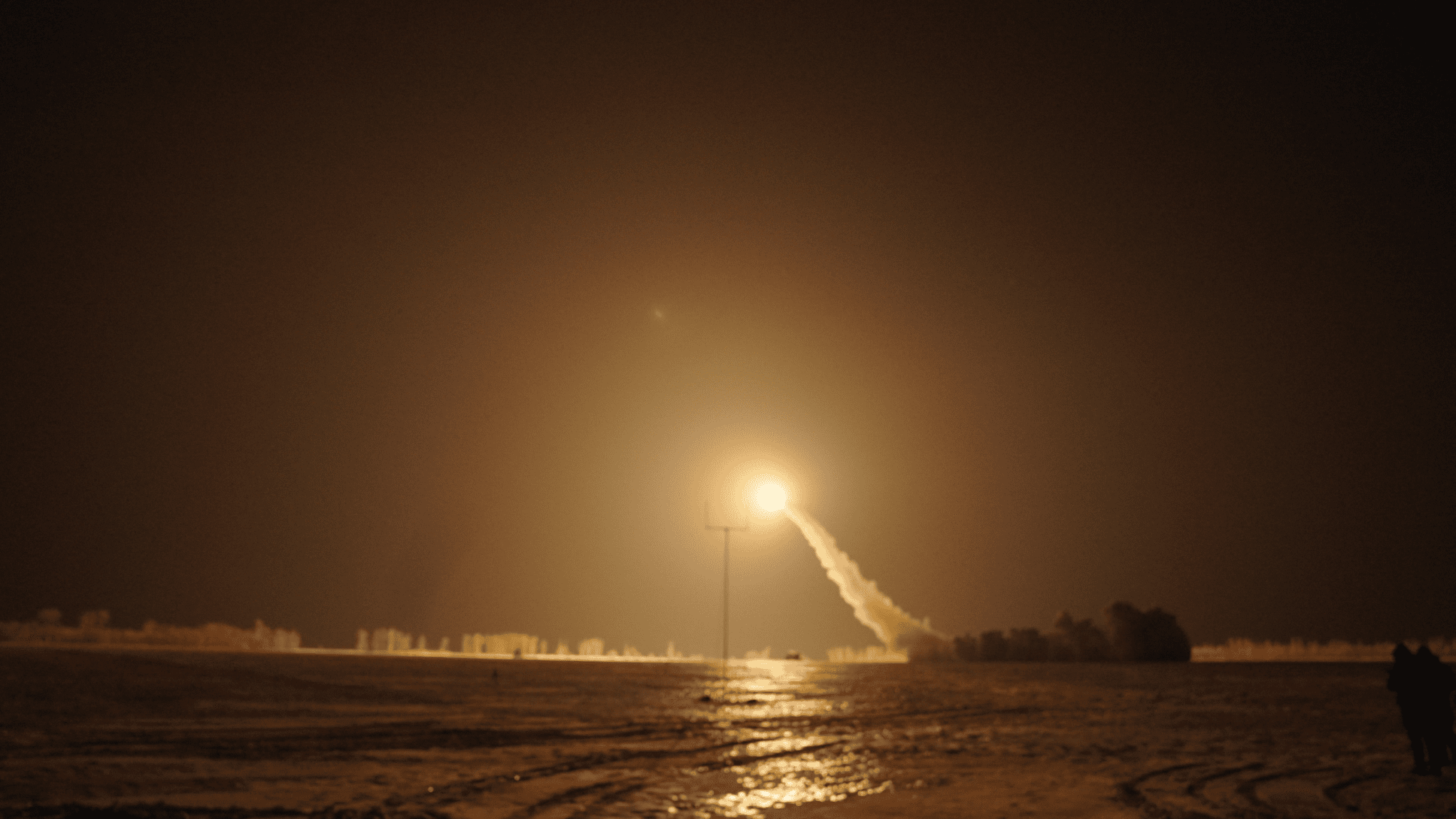
For much of the war, Ukraine’s drone revolution was a tactical story. Small commercial drones transformed reconnaissance. FPV drones turned individual vehicles into vulnerable targets. Both sides adapted to a battlefield where anything that moved could be detected, tracked, and attacked. The result was a new form of attritional warfare in which relatively inexpensive systems imposed disproportionate costs on personnel and equipment.
That phase of the war is now well understood. What is less appreciated is that Ukraine appears to be entering a second phase of the drone revolution, one that extends far beyond the front line.
On June 10th, The New York Times reported that Ukraine is now conducting more than 5,000 mid-range and deep strike attacks per month as part of what Ukrainian commanders describe as a “logistics lockdown” campaign. Rather than focusing exclusively on Russian forces at the front, Ukrainian strikes are increasingly targeting roads, railways, fuel depots, warehouses, and transportation networks that sustain Russian military operations. The significance of this development extends beyond the number of attacks being conducted.
Ukraine is no longer using drones primarily as tactical weapons. It is building a layered strike architecture designed to reach every level of Russia’s war machine. At the tactical level, FPV drones continue to dominate the battlefield. At the operational level, medium-range systems target logistics routes, supply depots, fuel deliveries, and transportation networks in occupied Ukraine. At the strategic level, long-range drones and missiles are increasingly being used against oil infrastructure, military factories, airfields, command centers, and industrial facilities deep inside Russia.
These are not isolated campaigns. They are increasingly part of a single system. Recent developments suggest that Ukraine intends to institutionalize this approach rather than rely on occasional deep strikes.
In early June, Commander in Chief Oleksandr Syrskyi reportedly approved a long-range strike development plan extending through 2030, with the objective of creating a family of systems capable of reaching targets up to 2,000 kilometers away. Around the same time, reports emerged regarding the deployment of Ukraine’s domestically developed Flamingo cruise missile, which Ukrainian sources claim can strike targets at ranges measured in the thousands of kilometers.
Whether every performance claim ultimately proves accurate is less important than what these programs reveal about Ukrainian strategy. For years, Ukraine sought long-range strike capabilities from Western partners. Systems such as Storm Shadow, SCALP, and ATACMS provided valuable capabilities but remained constrained by limited inventories, political restrictions, and concerns about escalation. Ukraine’s response has been to build its own strike complex.
The goal is no longer simply to destroy Russian equipment. It is to systematically disrupt the infrastructure that enables Russia to sustain military operations. This shift becomes clear when examining recent targets. In March 2024, Ukraine launched one of its largest campaigns against Russian refining infrastructure, striking facilities across multiple regions and temporarily disrupting a meaningful portion of Russia’s refining capacity. In August 2024, Ukrainian forces struck the port of Kavkaz, an important logistics and transportation hub supporting operations connected to occupied Crimea. Throughout 2025, attacks increasingly focused on fuel depots, ammunition storage sites, military production facilities, and transportation networks.
The campaign has continued to expand in 2026. Ukrainian strikes have reportedly targeted the VNIIR electronics facility in Cheboksary, which manufactures components used in Russian military systems, alongside attacks on oil infrastructure in the Samara and Vladimir regions. At the same time, medium-range drone operations have intensified against logistics routes supporting Russian forces in occupied Ukraine. This latter development may be the most important.
Ukraine is increasingly focused on the area between the front line and Russia’s strategic rear. Using upgraded drones equipped with improved batteries, communications systems, and artificial intelligence capabilities, Ukrainian forces are targeting trucks, trains, warehouses, fuel deliveries, and supply routes operating dozens of miles behind the front. Ukrainian officials argue that these strikes are already creating fuel shortages, complicating troop rotations, and reducing Russian operational activity. In other words, Ukraine is no longer simply attacking targets. It is attacking systems.
A refinery is not merely an energy asset. It generates revenue for the Russian state and fuel for military operations. A rail hub is not simply transportation infrastructure. It connects factories, warehouses, ports, and frontline units. A port is not just a commercial facility. It links exports to global markets and sustains military logistics networks.
For most of modern history, economic warfare and military warfare were treated as separate activities. One relied on sanctions, export controls, and financial restrictions. The other relied on kinetic force. Ukraine’s evolving strike campaign suggests that distinction is becoming less meaningful.
A sanctions package can attempt to reduce oil exports. A long-range strike can disrupt the infrastructure required to export that oil. A regulator can designate a shipping company. A missile can damage the facilities that company depends upon. The mechanisms differ, but the objective is increasingly similar: raising the cost of sustaining a war effort.
This is particularly relevant because Russia has demonstrated a remarkable ability to adapt to economic pressure. Shadow fleets emerged. Alternative trade networks developed. Sanctioned exports continued moving through new channels. The challenge was never simply imposing sanctions. It was enforcing them. Ukraine appears to have concluded that physical disruption can sometimes achieve what regulatory enforcement cannot.
The result is a new form of campaign that spans the tactical, operational, and strategic levels simultaneously. Small drones shape the battlefield. Medium-range systems disrupt logistics. Long-range drones and cruise missiles target the industrial and economic foundations of Russian military power. The first drone revolution transformed combat at the front. The second may transform how states think about economic warfare itself.
What Ukraine is building is not merely a larger drone force. It is a strike architecture capable of reaching the battlefield, the supply chain, and the industrial base at the same time. This may prove to be one of the more consequential military innovations to emerge from this war.