

SSC and Firefly Advance Towards Orbital Launch from Esrange
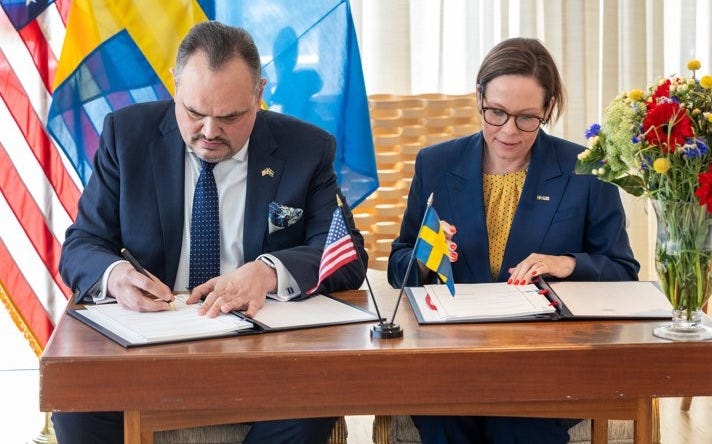
An agreement between the United States and Sweden brings Firefly Aerospace closer to launching its Alpha rocket from a Swedish spaceport. The two countries signed a technology safeguards agreement (TSA) at a June 20 ceremony at the Swedish Embassy in Washington. The TSA allows the export of American rockets to Sweden for launches there, putting in place measures to protect launch vehicle technology. The TSA is one of several agreements the United States has signed with countries like Australia and the United Kingdom, permitting the export of commercial launch vehicles, which are subject to stringent export controls due to the potential military applications of the technology.
The agreement removes a barrier for launches of Firefly’s Alpha rocket from the Esrange Space Center in northern Sweden. Firefly announced an agreement with the Swedish Space Corporation (SSC) a year ago to launch Alpha from the spaceport starting as soon as 2026. “This agreement enables us to move forward into the next important phase of the infrastructure establishment at the spaceport of our Esrange Space Center, allowing for this comprehensive launch service to soon enter the market,” said Ulrika Unell, president of the orbital launch and rocket test division of SSC, in a June 25 statement. “Adding this capability in mainland Europe will strengthen Sweden’s and Europe’s capabilities and competitiveness in the space arena, as well as our relations with the U.S. and NATO,” added Charlotta Sund, CEO of SSC. While Europe accelerates its own launch capabilities through initiatives like the European Launcher Challenge, which offers up to €169M ($197.6M) to winning commercial launchers, the TSA allows Sweden to import rather than develop its way to orbit.
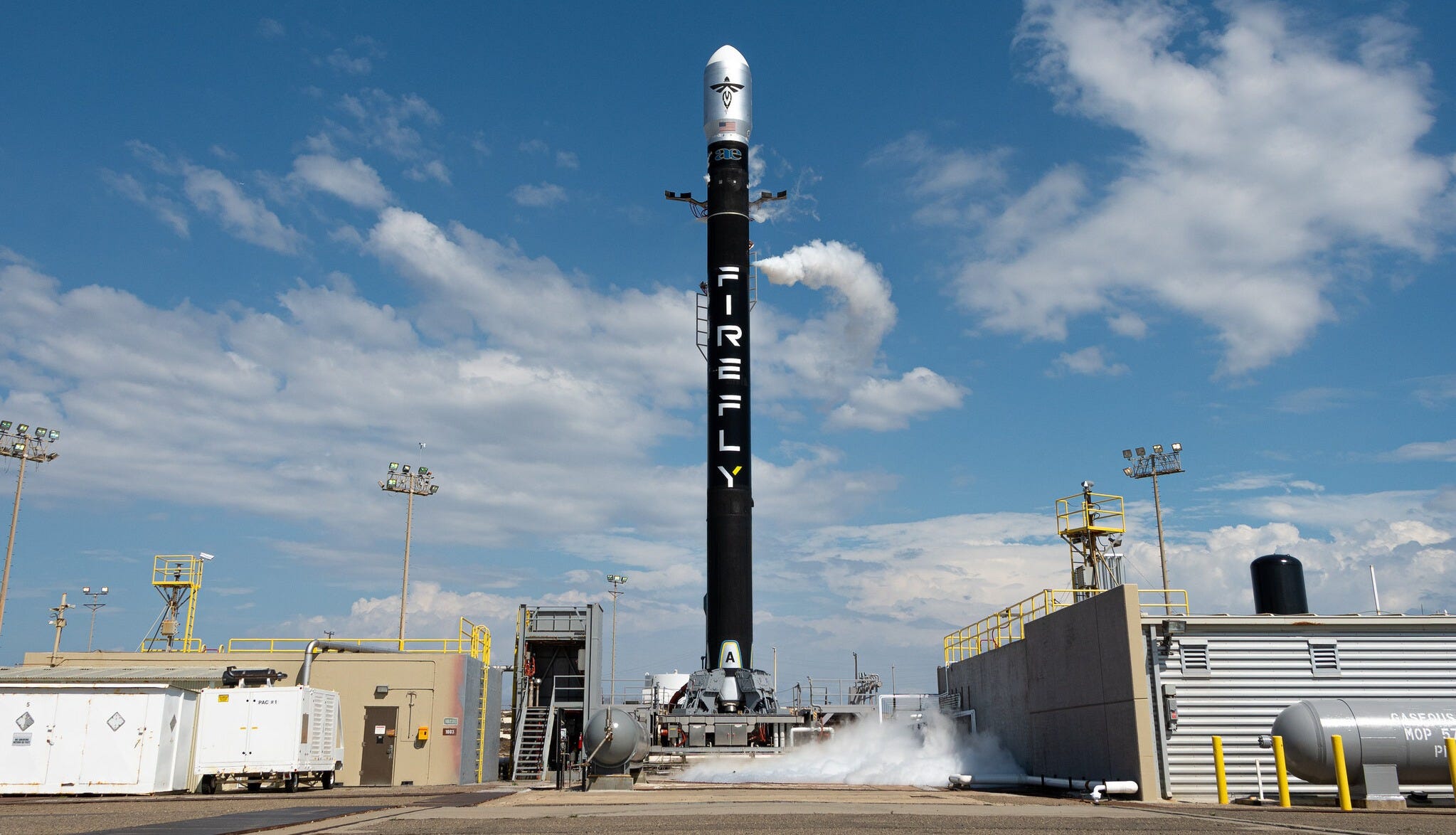
Some infrastructure is already in place at Esrange for Alpha launches, which will take place from Launch Complex 3C there. That includes a launch control center and tracking systems. “Finalization of the TSA gets us one step closer to launching our Alpha rocket from Sweden and filling a void for the European satellite market,” said Adam Oakes, vice president of launch at Firefly, in a company statement. “This TSA agreement removes the regulatory barriers and provides customers with additional assurance that the U.S. and Sweden are committed to an orbital launch capability from Esrange.”
At a conference in January, Oakes said Firefly was interested in launching from Sweden, as well as Wallops Island in Virginia, to avoid congestion at Vandenberg Space Force Base in California, which has hosted all six Alpha launches to date. “Esrange has basically done everything for the science community in space except an orbital rocket,” he said of the site, which has hosted hundreds of sounding rocket launches. “It was a suitable partnership and one of the most promising opportunities.” At that time, he said Firefly was planning five Alpha launches in 2025, all from Vandenberg, with the first launch from Wallops in early 2026 and from Esrange in late 2026 or early 2027.
However, Firefly’s first Alpha launch of this year failed to reach orbit on April 29 when the vehicle experienced an anomaly around the time of stage separation. The upper stage continued to ascend, but onboard video showed the nozzle of the stage’s single engine was missing. The missing nozzle reduced the performance of the engine enough to keep the stage from reaching orbit. The stage and its payload, a Lockheed Martin technology demonstration satellite, reentered over the south Pacific. Firefly has not disclosed the cause of the failure or its plans to resume Alpha launches.
Related:
Firefly Aerospace Eclipse Development Sees Significant Progress
Northrop Grumman Invests $50 Million in Firefly Aerospace to Advance Medium Launch Vehicle, Eclipse
Firefly Aerospace aims to deploy first commercial lunar imaging service