

Spain Announces $12 Billion Defense Plan to Achieve NATO's 2% GDP Spending Target
Spain has historically spent less on defense compared to other NATO countries, but this may change with significant new funding.
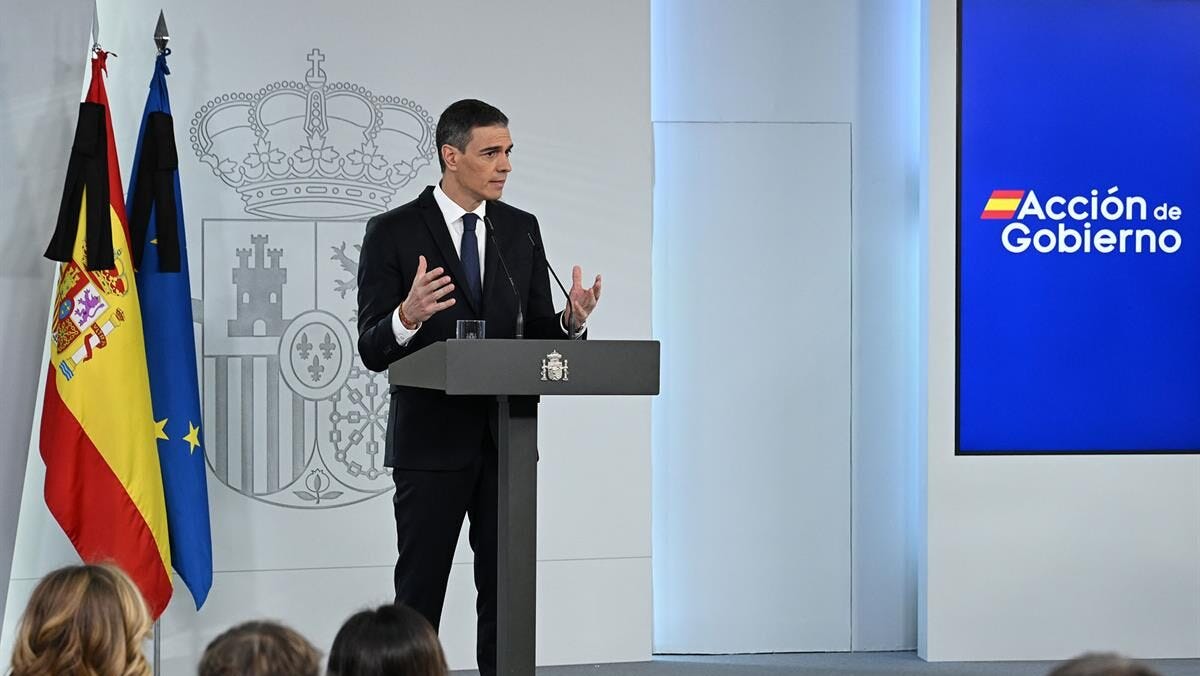
Spain is increasing its defense spending to meet NATO’s 2 percent of GDP target by the end of the year. On April 22nd, Prime Minister Pedro Sánchez announced a $12 billion military investment plan, a move that addresses years of underfunding and responds to growing pressure from the Trump administration and other allies.
The initiative will elevate Spain’s total military expenditure to approximately $35 billion by 2025. Sánchez described it as a “historic moment” and emphasized that the investment would enhance Spain’s role within Europe and NATO. He also linked this effort to wider objectives concerning security, technological advancement, and strengthening both military and civilian resilience. “We are facing a change of era, and that requires us to take control of our own destiny and build the security and defense union that the founders of the European Union proposed back in the 20th century,” Sanchez explained.
Around one-third of the funds will be allocated to improving troop conditions and acquiring equipment. An additional $3.5 billion will finance a “digital shield” comprising satellites, radar, encrypted systems, and new technologies, such as 5G and AI. Nearly $2 billion is designated for defense hardware and $1.75 billion will support dual-use equipment for disaster response related to climate change, including helicopters, tanker planes, and a hydrographic vessel for oceanic mapping and intelligence. A portion of the investment will be devoted to enhancing safety for Spanish troops on overseas missions. In 2024, Spain was one of the lowest contributors among NATO member nations, allocating just 1.4% of its GDP to defense spending,
This announcement precedes the NATO Summit in The Hague, where leaders are anticipated to discuss potentially increasing the spending target from 2%, although the US proposal for a 5% goal is considered unlikely to be approved.
Related:
Spain’s Nazca Capital Launches €400 Million Defense Tech Fund