

Portugal Issues License for Country’s First Spaceport
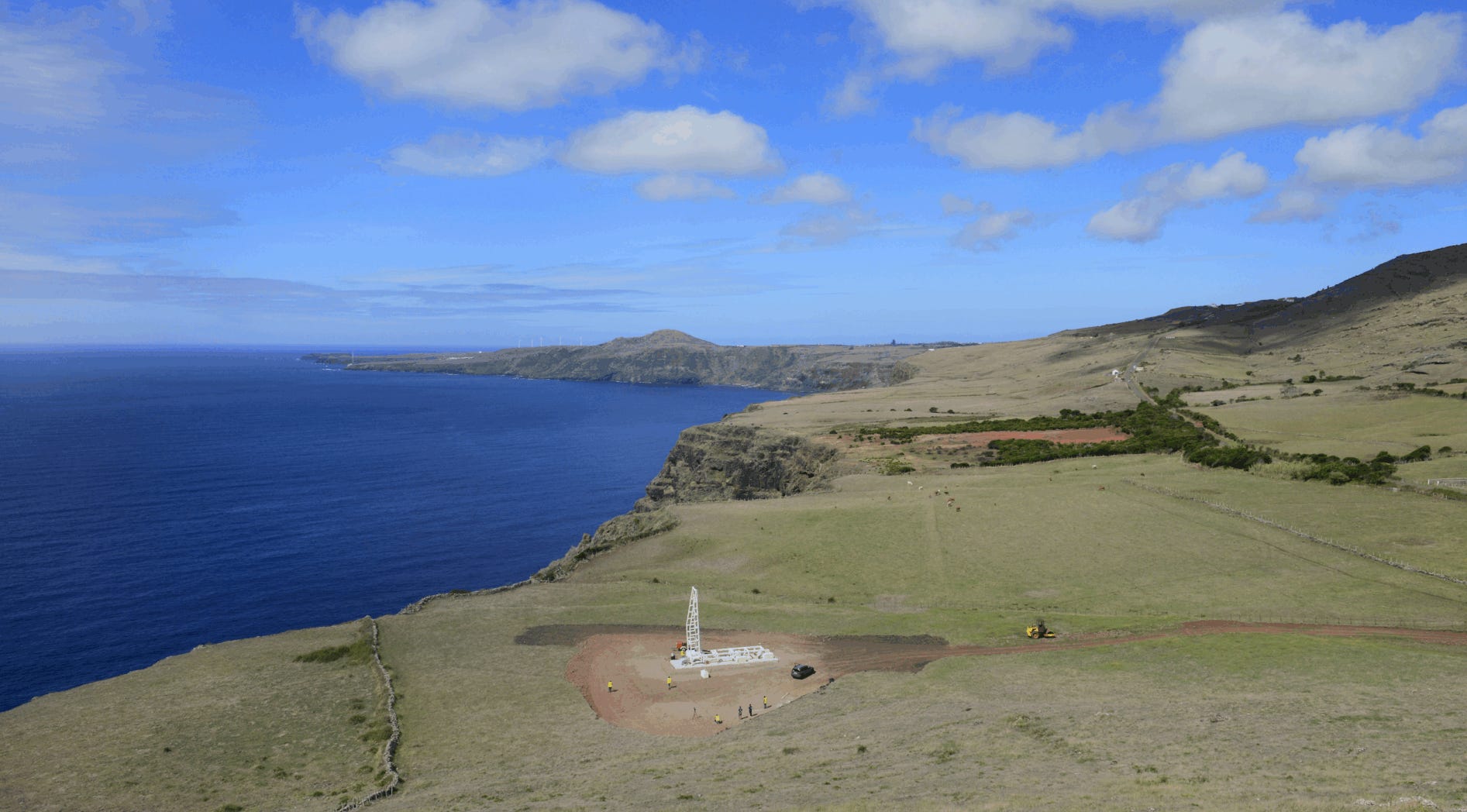
This week, the Atlantic Spaceport Consortium (ASC) was granted a five-year license by Portugal’s space authority permitting the construction and operation of a launch facility on Santa Maria island. This development expands the number of European spaceports amidst increasing competition among launch providers preparing for inaugural flights next year.
“Europe clearly requires enhanced autonomous access to space, particularly as multiple new launch vehicles are being developed across the continent,” stated Ricardo Conde, president of the Portuguese Space Agency. “[Santa Maria] provides a complementary solution that strengthens European launch capabilities, encourages competition, and boosts operational resilience.”
ASC Director, Bruno Carvalho, indicated that investment in the spaceport could range from €5M to €10M, contingent upon the decision to construct either one or two launch pads. As the initiative does not benefit from direct funding by the European Space Agency or the Portuguese Space Agency, ASC intends to secure capital through private investors.
Initially, the site will support launches of small and medium rockets with payload capacities below 1,500 kg, excluding Arianespace’s Ariane 6 and Vega C, and will restrict operations to non-cryogenic fueled vehicles to optimize costs.
Interest has already been expressed by several European launch companies. In July, ASC entered into an agreement with SpaceForest to host a suborbital test flight of the Polish company’s 11.5 m Perun rocket in 2026. Additionally, ASC is engaged in discussions with emerging launch providers in the UK and Germany regarding upcoming missions, according to Carvalho. ASC aims to facilitate up to four suborbital launches next year, with orbital missions anticipated from 2027 onwards. “Our business model supports up to six launches annually,” Carvalho told Payload. “Optimally, we could sustain between 14 and 16 annual launches with two pads.”
Carvalho and Conde highlighted two primary benefits associated with the Santa Maria facility. The first is geography. Located approximately 1,500 km from Portugal in the Atlantic Ocean, Santa Maria offers proximity to major airports while remaining distant from dense population centers. The site enables access to polar, sun-synchronous, and low-inclination orbits. Launch operations benefit from a single flight control tower, eliminating the need for interregional handovers. Furthermore, reduced air and maritime traffic compared to northern European sites simplifies launch coordination. The second is regulation. Portugal offers complimentary application for launch licenses, and legislation mandates that requests receive a response within 90 days. This expedited process means that applicants could potentially launch within the same year. By contrast, Skyrora’s UK launch license required over a year for approval.
Portugal's spaceport in the Azores is part of the country’s national space strategy, Portugal Space 2030, which aims to establish Portugal as a key player in the space sector. The initiative seeks to develop Portugal's role as a European platform for return missions and access to space by utilizing the strategic geographic location of the Azores archipelago. Simultaneously, development of the infrastructure required for the return of space missions will continue, including preparations for Space Rider, a reusable vehicle of the European Space Agency, which will have its designated return site in the Azores.