

Orqa Raises $14.7M and Expands Into the U.S. Defense Market
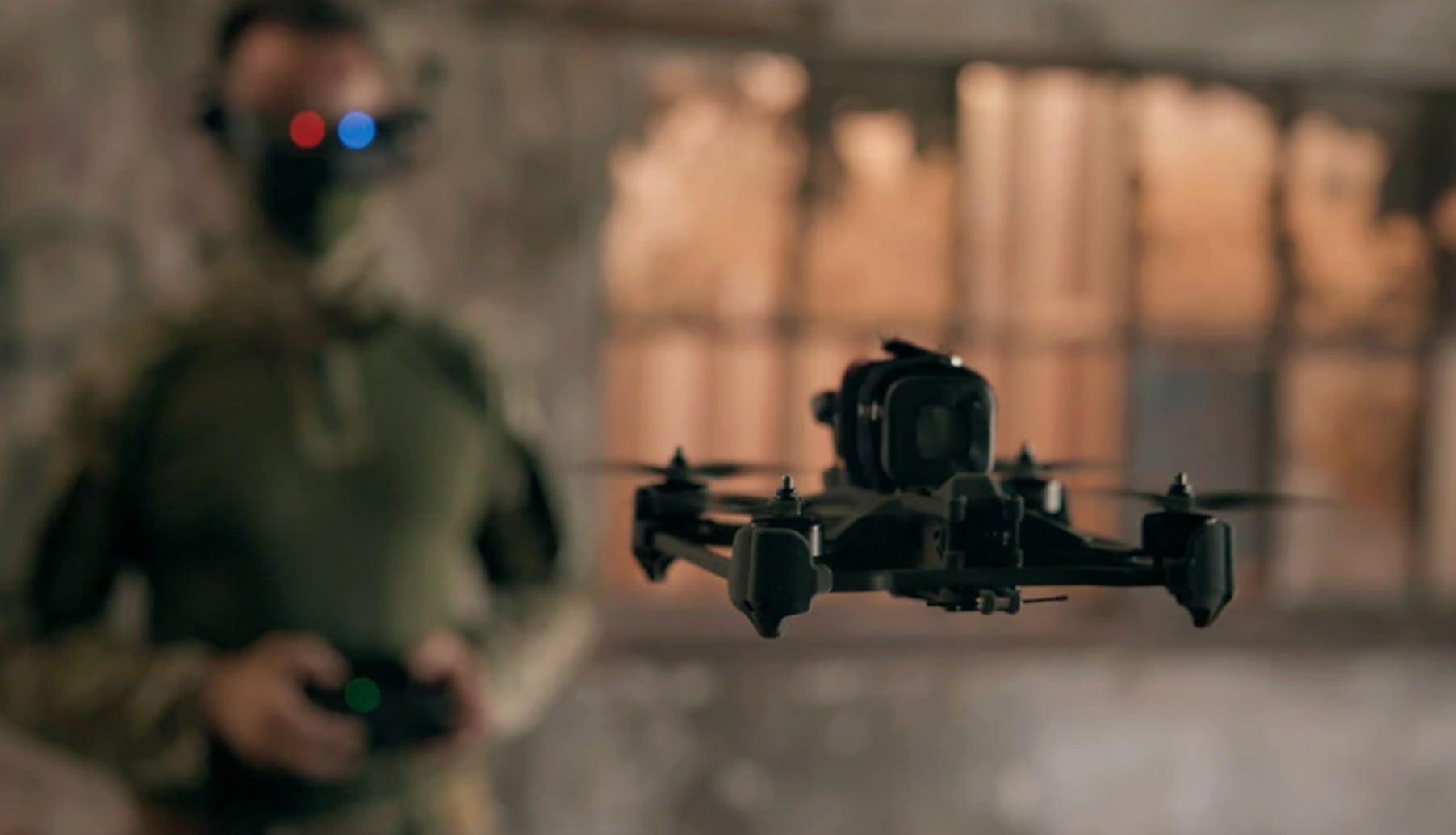
Croatian drone company Orqa has raised €12.7 million ($14.7 million) in a Series A round led by Expeditions Ventures. At the same time, the company has signed a teaming agreement with Texas-based Red River Army Depot to expand its presence in the United States.
The move signals a transition for the company. Since its founding in 2018, Orqa has largely grown through sales rather than venture capital. CEO Srdjan Kovacevic said the funding is meant to accelerate expansion. “You can only grow so much organically,” he said. “We wanted to break new ground regarding valuation and top up our war chest so we can be bolder and more aggressive, whether through direct investment or acquisitions.”
Other investors include Lightspeed Venture Partners, Taiwania Capital, Aymo, and Radius Capital.
Much of the new capital will fund Orqa’s Global Manufacturing Program, an effort to build an international network of production partners manufacturing standardized systems based on Orqa designs. The strategy reflects a broader shift in the drone industry: moving from small production runs toward globally distributed manufacturing capable of scaling quickly.
A quiet player in the FPV ecosystem
Orqa has become an important supplier in the FPV drone ecosystem, particularly since the start of the war in Ukraine. The company initially gained recognition for high performance FPV goggles and avionics before expanding into full drone systems. It now offers three primary platforms: the MRM1-5 training drone, the NDAA compliant and electronic warfare resilient MRM2-10, and the commercially oriented Dream X.
Unlike many drone companies that rely heavily on external suppliers, Orqa manufactures most core components internally, including goggles, flight controllers, motors, cameras, radios, PCBs, and mechanical drone components.
Equally important for Western defense buyers, the systems are built without Chinese components. That manufacturing approach has allowed the company to scale production rapidly. By late 2024, Orqa reported capacity of roughly 280,000 drones per year.
Entering the U.S. defense ecosystem
Despite its operational traction, Orqa has raised relatively little venture capital until now. The company secured €5.8 million ($6.7 million) in seed funding led by Lightspeed Venture Partners in December 2024.
Its defense relationships, however, have grown rapidly. Orqa has secured a €10 million contract with the Croatian military, supplied drones to Ukraine, and engaged with U.S. defense programs. Through a collaboration with Firestorm, the company helped introduce FPV platforms to the U.S. ecosystem and participated in the Drone Dominance Program’s first gauntlet.
The new partnership with Red River Army Depot represents a deeper step into the American defense industrial base. Red River, established in 1941, is a major U.S. Army depot responsible for maintenance, repair, and manufacturing. The agreement is intended to help scale domestic production of Orqa drones for Pentagon demand. “We’re proud to support companies competing in this space,” Kovacevic said. “Our partnership with Red River strengthens our capacity to build technology in the United States.”
A distributed drone manufacturing model
For Orqa, the U.S. partnership is only one node in a broader strategy. Through its Global Manufacturing Program, the company plans to establish regional production hubs capable of building Orqa designed systems while maintaining standardized designs and components. “This is us staking our claim to start developing a U.S. supply chain for drone technologies,” Kovacevic said. “It’s the framework for meaningful technology transfer.” Initially, partners would produce Orqa designed FPV drones. Over time, the network could expand toward more advanced robotic platforms. “The global manufacturing program is about planting seeds and letting ecosystems develop around those nodes,” Kovacevic said.
Taiwan and the semiconductor angle
One of the more notable investors in the round is Taiwania Capital, a public private venture fund connected to Taiwan’s government. For Orqa, the partnership provides access to semiconductor supply chains that will increasingly shape drone development. “Taiwan remains the hub for semiconductors,” Kovacevic said. “I believe aerial robots’ future advancements come from this sector. Our partnership with Taiwan goes beyond financial considerations.” As drones rely more heavily on advanced compute, sensors, and communications hardware, semiconductor access is becoming a strategic consideration.
Acquisitions may follow
“Our focus is on acquiring capabilities,” Kovacevic said, though he noted acquisitions could also provide access to new markets. For companies like Orqa, the opportunity is becoming clearer. Demand for small military drones is rising rapidly across NATO militaries, and governments are increasingly looking for suppliers that can produce them at scale without relying on Chinese components. The next phase of the drone industry will not be defined by prototypes or battlefield experimentation. It will be defined by manufacturing capacity.