

New Zealand Launches First Dedicated Space Unit
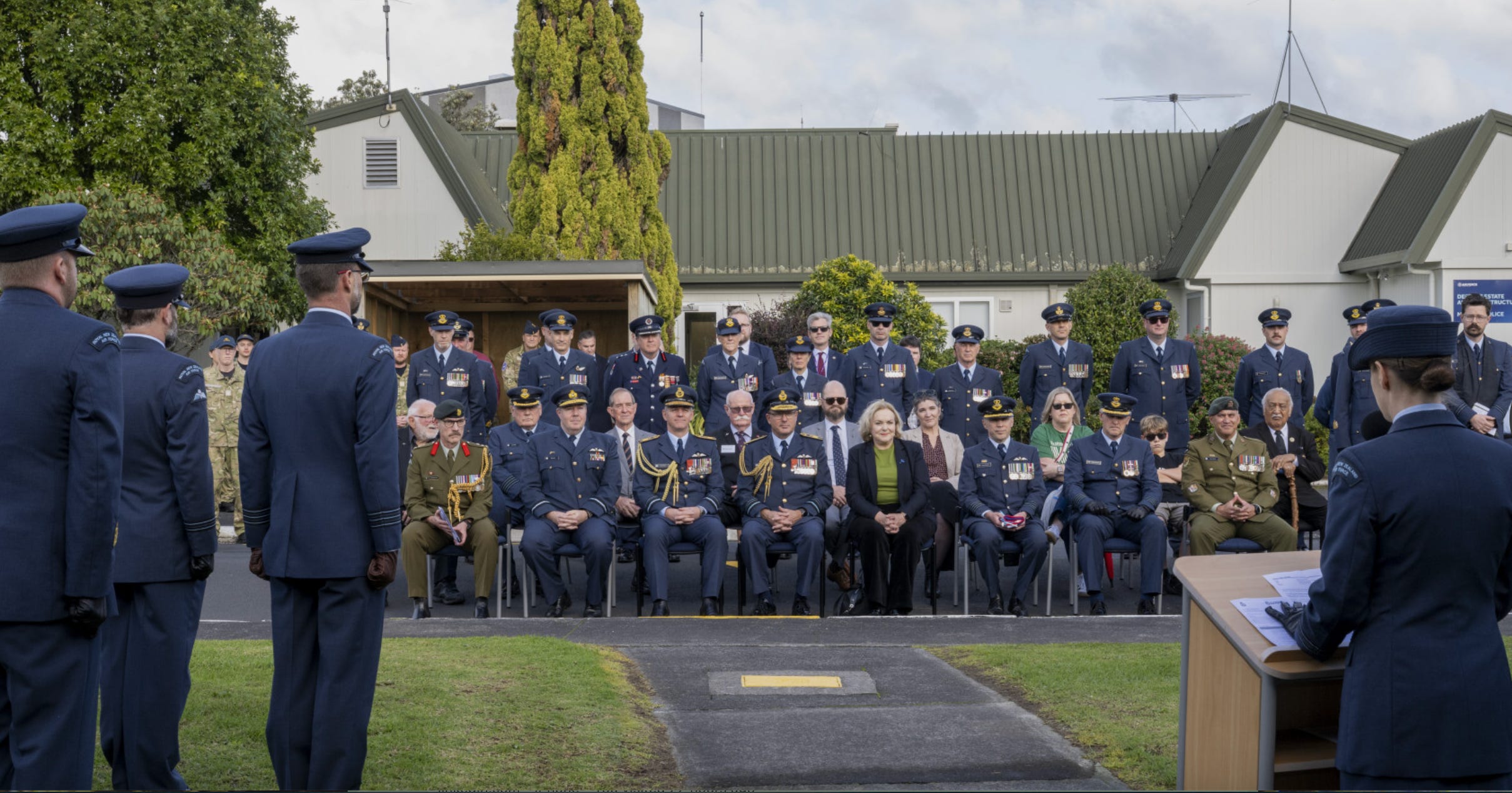
The Royal New Zealand Air Force (RNZAF) established its first dedicated space unit on July 4 by reactivating No. 62 Squadron at Whenuapai airbase in Auckland.
Formed in 1943, No. 62 Squadron provided radar operations to allied forces in the Pacific, including Bougainville and the Solomon Islands. Its mission now shifts to space domain awareness.
At the inauguration ceremony, New Zealand's Minister for Space Judith Collins, who also oversees Defense, stated that space-based infrastructure is crucial for essential services, such as weather observation and financial transactions. “Space is vital for modern life. We rely on space-based infrastructure for a range of critical services, from weather observation to financial transactions. This is an important signal that we’re taking space security seriously,” Ms Collins said.
The squadron's initial responsibilities will include monitoring, analyzing, and understanding space activity to protect national and international interests. “Recent global developments have highlighted the need for resilient, advanced defence capabilities. This move is part of the work the New Zealand Defence Force is doing to maintain a combat-capable, flexible force.”
Chief of Air Force Air Vice-Marshal Darryn Webb noted New Zealand's recent participation in Operation Olympic Defender, a multinational space defense initiative led by the United States and involving seven nations. This partnership allows New Zealand to take part in discussions about responsible conduct in space and aims to safeguard ongoing access to space-based services.
Air Commodore Andy Scott, air component commander at Headquarters Joint Forces New Zealand, indicated that the squadron currently consists of 12 personnel, with plans for expansion in collaboration with industry and academic partners. The squadron is presently working with the U.S. Space Force as the lead for the Pacific Cell, which includes Australia, Japan, and the Republic of Korea.
New Zealand has been involved in space-related matters for over a decade. In July 2015, it joined the Combined Space Operations (CSpO) military initiative alongside Australia, Canada, France, Germany, the United Kingdom, and the United States. In March 2017, New Zealand, together with Canada, Denmark, the Netherlands, and Luxembourg, contributed to the launch of the WGS-9 satellite for access to the Wideband Global Satellite constellation. The country also participates in the annual Schriever Wargames hosted by the U.S. Space Force, along with Australia, Canada, France, Germany, Italy, Japan, Norway, and the United Kingdom; these exercises address hypothetical scenarios related to space security.
The reactivation of No. 62 Squadron supports New Zealand’s Defence Capability Plan, which outlined $12 billion of planned commitments to upgrade the country’s Defence Force over the next four years. The squadron now operates under the motto: "Look to the stars."