

Neros and Kela Technologies Introduce Archer Fiber: The First NDAA-Compliant Fiber-Optic FPV Drone
The integration of multiple technologies has marked significant advancements this year in defense tech. In a recent example, Neros Technologies, an American FPV drone manufacturer, announced its collaboration with Israel’s Kela Technologies to develop the first NDAA-compliant fiber-optic FPV drone in the world, Archer Fiber, a platform specifically designed to excel in demanding electronic warfare scenarios.
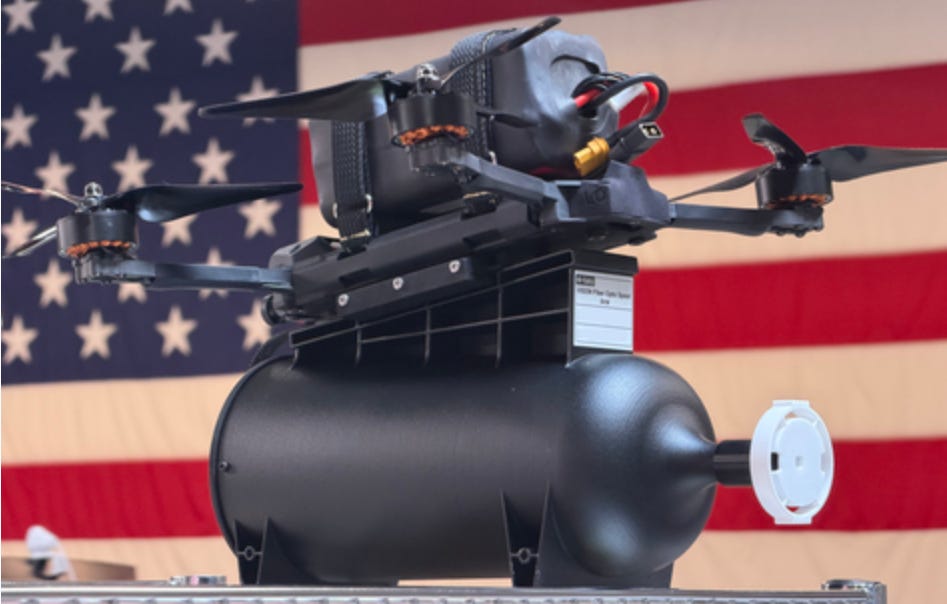
This new “drone-with-a-cord” modifies Neros’ flagship Archer FPV platform, engineered specifically for deployment in highly challenging electronic warfare environments.
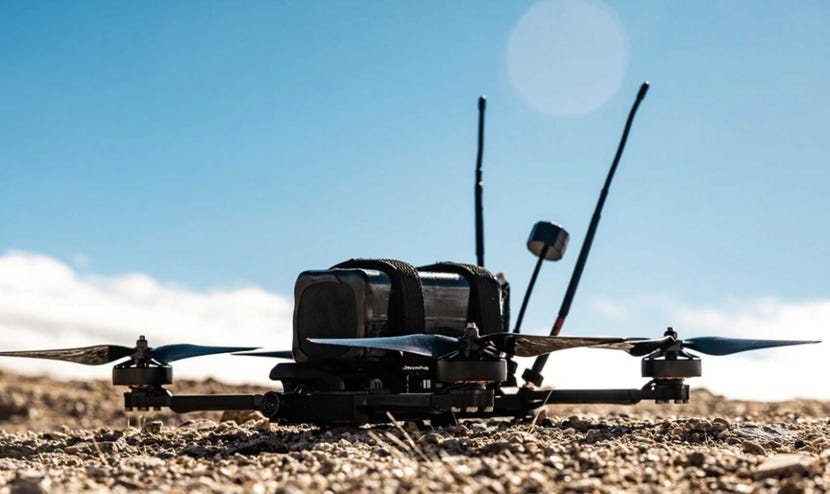
According to Olaf Hichwa, Neros co-founder and CTO, the inspiration for this development stems from the equipment utilized by soldiers on the Ukrainian frontlines. “The use of fiber optic solutions in Ukraine has proven to be an essential asset,” Hichwa stated. “Although there are inherent risks associated with fiber, it offers unparalleled resistance to electronic warfare when precision is required against hardened targets.”
Neros has established itself as a prominent figure in advanced drone technology. Founded in El Segundo, California, in 2023 by Hichwa and Soren Monroe-Anderson, and supported by major investors including Sequoia Capital, the company raised $75 million in a Series B round in November, bringing total funding to $121 million.
The firm manufactures the Archer quadcopter FPV, which is devoid of Chinese-made components down to the chip level and retails at approximately $2,000. Neros has secured a Pentagon contract to deliver 6,000 drones to Ukraine and another agreement to supply 8,000 Archer Strike drones to the U.S. Marine Corps. Additionally, the company is involved in the U.S. Army’s Purpose Built Attritable System (PBAS) program.
Kela Technologies, based in Tel Aviv and also supported by Sequoia, develops integrated software and hardware platforms that bridge commercial and military defense systems. Since its founding last year, Kela has attracted $99 million in funding from major sources, including Lux Capital and In-Q-Tel.
In this partnership, Kela supplies the fiber-optic cable while Neros provides the Archer drone. The connection will attach directly to the base of the FPV system. The current version features a 5km cable, limiting operational range, but 10km and 15km models are under development and anticipated in early 2026. According to Hichwa, the cable has undergone extensive field testing in Israel, and further trials in Ukraine are likely forthcoming.
Presently, the fiber-connected Archer variant does not carry explosive or kinetic payloads, but plans are underway to introduce such capabilities, potentially a fragmentation charge, early next year. The system remains fully manual and remotely operated until deployment, which ensures it cannot be jammed, though it requires a highly skilled operator.
The structural integrity of the fiber-optic cable was addressed by Hichwa, who explained that Kela has prioritized an optimal balance between weight, strength, and flexibility. While proprietary details remain confidential, he emphasized that the solution underwent rigorous testing, outperforming alternative options. “There are various factors that could compromise a cable’s durability,” Hichwa noted, “but the Kela-Neros system has demonstrated substantial reliability in our evaluations.”
Neros acknowledges that fiber has major limitations, but felt it was important that operators have the option when everything is jammed and nothing else will work. “It’s not like fiber replaced RF links or onboard edge compute. Fiber just offers another set of capabilities which end up benefiting our warfighters,” Hichwa said.
Fiber-optic FPV drones remove RF jamming risk, but they do not replace most of the drone. Roughly 80–90% of a typical FPV drone’s hardware stack still overlaps with the global FPV ecosystem, which is structurally centered in China. The fiber tether is the least China-locked part; propulsion, power, and airframe are the hardest to replace quickly.
Hichwa said that maintaining Neros’ commitment to “no parts sourced from China” was particularly challenging with fiber drones. Most drones-with-a-cord, Hichwa affirmed, use two chips that are primarily sourced from China.
“We were in Ukraine in 2023 and 2024 when fiber was first coming out, and we took apart a lot of the fiber solutions,” he said. “We were impressed by the engineering, but it was a very Chinese development…Every single fiber offering I’ve ever seen [has] these two Chinese chips, including a very small Chinese FPGA.”
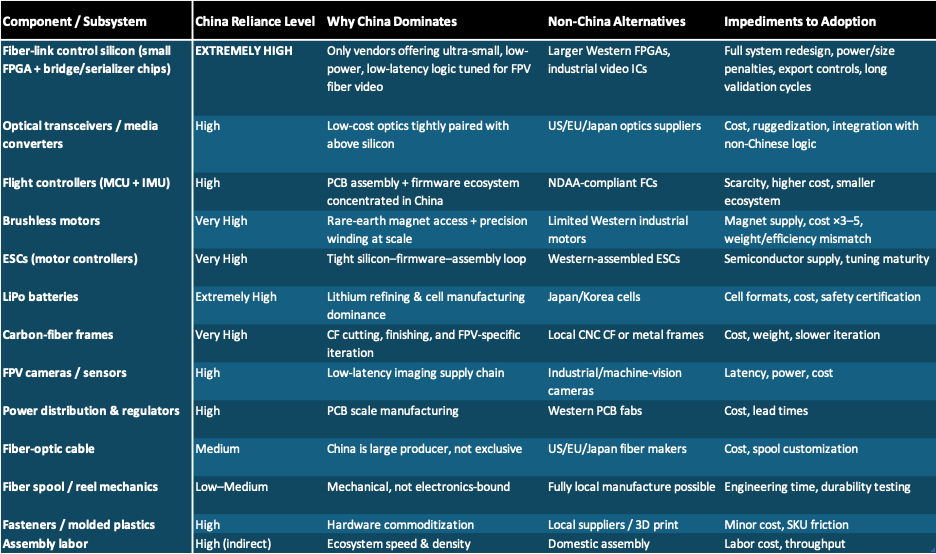
So, Neros decided to develop an alternative. Hichwa said they redesigned the media converter board from the ground up using only American and European designs and silicon. “It’s a fully China-free approach to designing these systems,” he said. “The American industrial base needs solutions that are designed to be manufacturable without reliance on our adversaries.”
Archer Fiber is already BlueUAS cleared, having undergone a thorough audit to confirm that none of its essential components come from China. This signifies genuine compliance, a key differentiator in this market.
Related:
U.S. Army Selects Neros Archer FPV for Purpose-Built Attritable Systems (PBAS) Program
US Drone Manufacturer Neros Opens Office in Kyiv
Neros Secures Multi-Million Marine Corps Contract for Archer Strike FPV Drones