

NATO Seeks Advanced Counter-Drone Technology to Address Potential Russian Activity
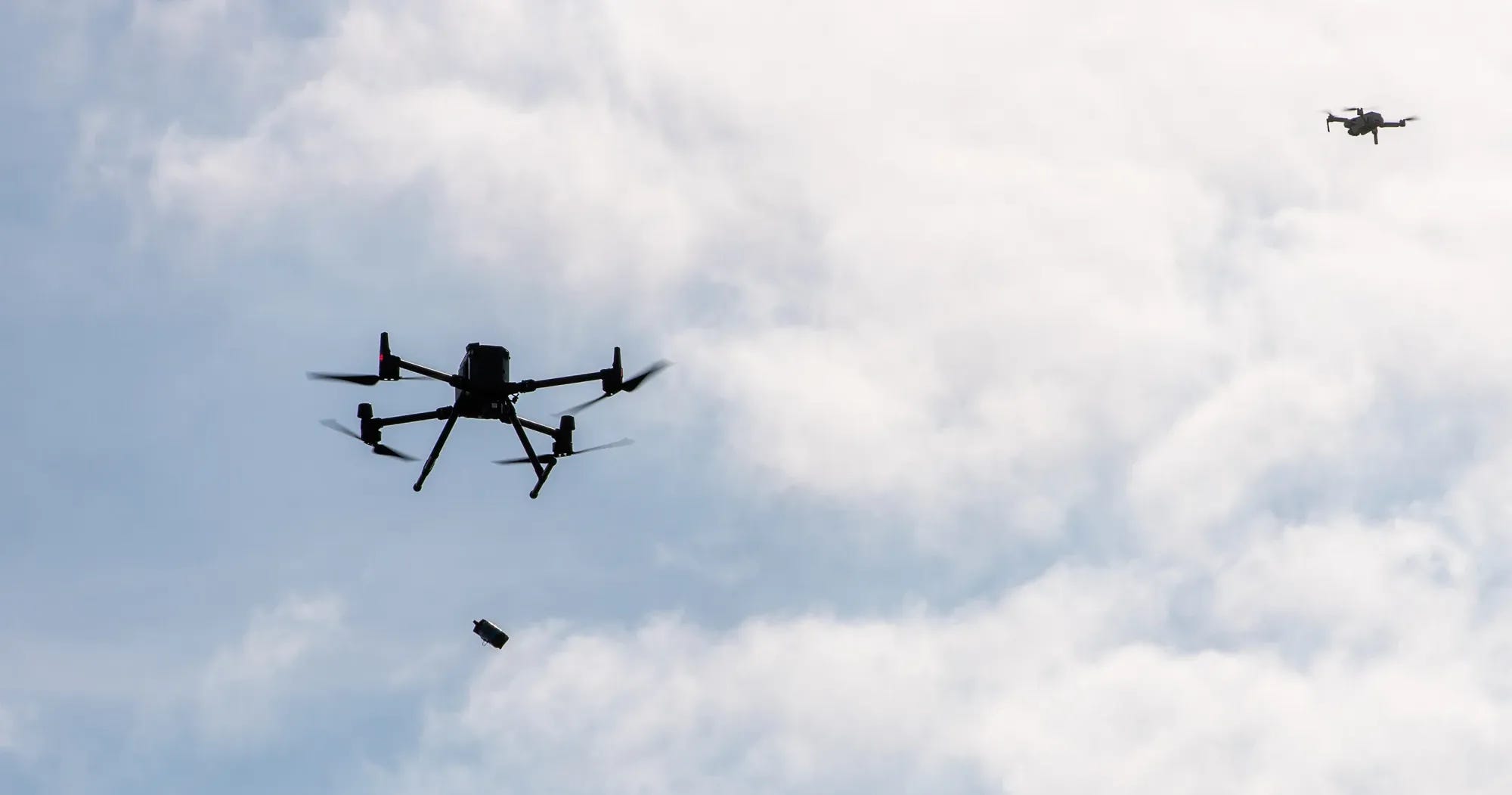
NATO must accelerate the deployment of counter-drone systems to more effectively address the threat posed by Russian drones violating alliance airspace, according to a senior NATO official. General Ingo Gerhartz, commander of NATO Allied Joint Force Command Brunssum, emphasized at the Warsaw Security Forum that counter-drone technology is urgently required, stating, “We need to field these capabilities now, not years from now. Implementation should occur within months and follow a multi-domain approach.” Gerhartz also noted the necessity for NATO, the European Union, and individual member states to expedite acquisition processes for counter-drone systems.
Gerhartz highlighted the cost-inefficiency of intercepting low-cost drones, priced between $2,000 and $3,000, with million-dollar missiles and stressed this approach is unsustainable. Following Russia’s drone incursion into Poland, NATO initiated Operation Eastern Sentry to reinforce air defenses along the Eastern Flank, notably deploying British, Danish, French, and German weapon systems. “Expanding our assets and deploying additional combat aircraft provides reassurance,” said Gerhartz, “and sends a clear signal that NATO and its members are capable of responding. Nevertheless, further equipment is required, particularly affordable sensors and effectors.”
In addition to drone operations over Poland, Moscow has conducted similar flights over Romania and deployed fighter jets over Estonia, actions widely condemned by European officials. In a joint statement, the foreign ministers of France, Germany, and Poland described the Russian activities as “reckless, hostile acts.” Reflecting increased continental efforts to counter drone threats, France, Germany, and Sweden have agreed to provide Denmark with counter-drone systems to strengthen security for an upcoming European Council meeting in Copenhagen, as confirmed by the Danish Ministry of Defense.
This allied support follows Denmark’s temporary prohibition of civilian drone activity over its airspace, implemented after several sightings and incidents involving military bases and airports. Gerhartz commented that determination of adequate protective capacities for Copenhagen would fall under Danish authority ahead of the forthcoming EC summit, but assured that NATO stands ready to defend against future Russian incursions involving missiles, aircraft, or other threats.
Addressing NATO Secretary General Mark Rutte’s July assessment that the alliance requires a 400 percent increase in air and missile defense capabilities, Gerhartz expressed confidence that the target could be reached in the near future, stressing interoperability over uniformity among member states’ purchases.