

Lockheed Martin Ventures Invests in Rocket Propulsion Startup, Venus Aerospace
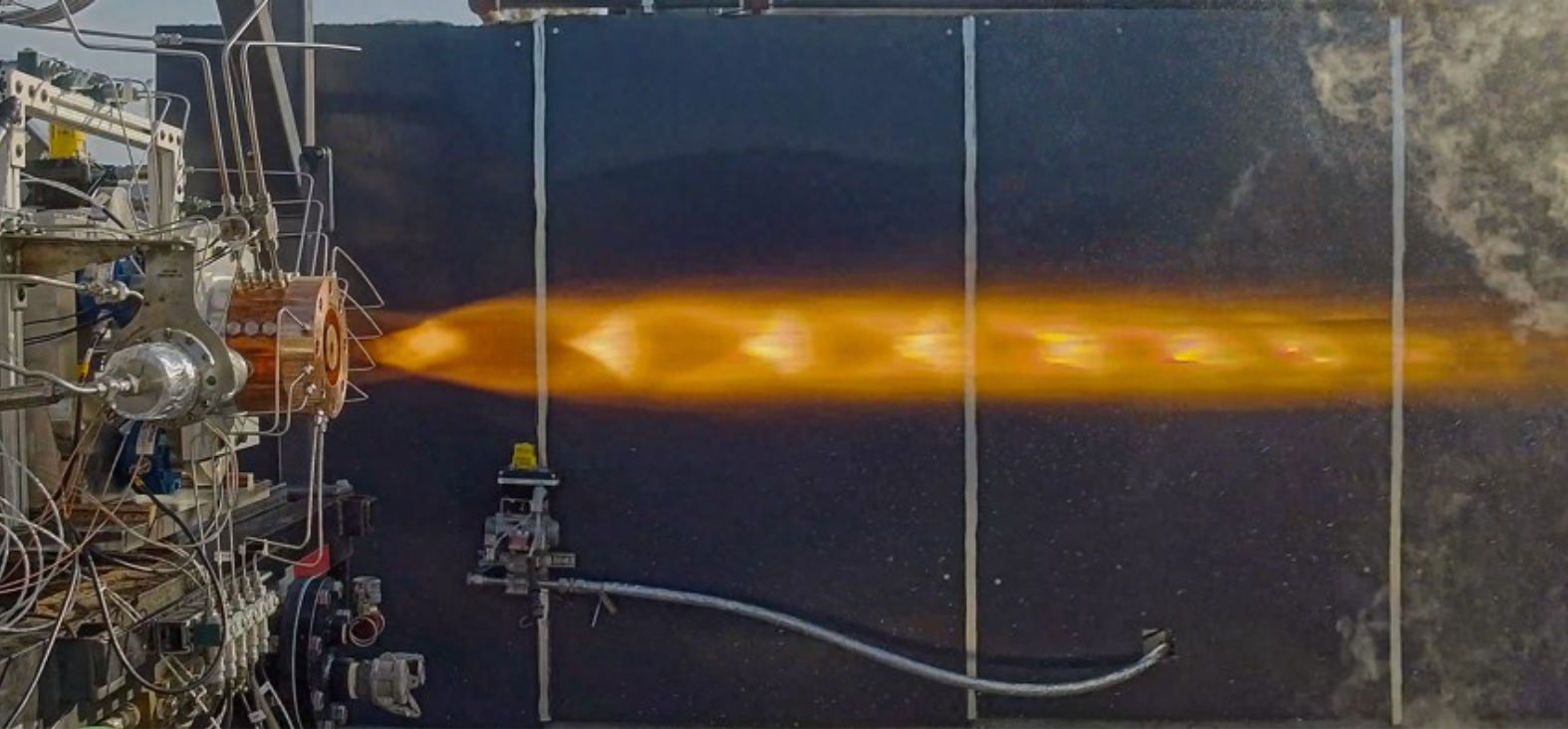
Venus Aerospace, a pioneering startup in next-generation rocket engine propulsion, announced a strategic investment from Lockheed Martin through its venture capital division, Lockheed Martin Ventures. The announcement follows Venus’s milestone May 2025 high-thrust test flight of its rotating detonation rocket engine (RDRE), recognized by the Houston Chronicle as a “world first” and regarded as the most significant advancement in rocket engine technology since the Apollo era. The partnership was publicly revealed at the Axios Future of Defense Summit in Washington, DC.
Venus Aerospace, founded in 2020 in Houston, Texas, is currently the sole entity worldwide with a flight-tested, high-thrust RDRE and a defined strategy for scalable production. Lockheed Martin’s investment demonstrates increasing interest among established defense firms and venture capitalists in emerging critical technologies for both military and commercial sectors. It further underlines the potential impact of Venus’s dual-use technology amid forecasts that global defense spending and space infrastructure investments could reach $1 trillion by 2040.
“Venus has validated in-flight operation of the most efficient rocket engine technology to date,” stated Sassie Duggleby, Co-founder and CEO of Venus Aerospace. “Support from Lockheed Martin Ventures will enable us to enhance our manufacturing capabilities and deploy engines that are poised to drive advancements in defense, space, and commercial high-speed aviation over the next five decades.”
Lockheed Martin’s collaboration with Venus aligns the company’s deep industry expertise and resources with Venus’s innovative propulsion technology. The partnership reflects the imperative of cooperation between established defense contractors and startups to sustain U.S. superiority across technological domains.
“At Lockheed Martin Ventures, we actively invest in firms such as Venus Aerospace that are developing disruptive technologies for the future,” remarked Chris Moran, Vice President and General Manager of Lockheed Martin Ventures. “Next-generation propulsion systems are set to shape the future of both space and defense industries. We are evaluating opportunities for scaling and integrating Venus’s technology into critical applications.”
The global market for aerospace and defense propulsion systems exceeded $260 billion in 2022 and is projected to expand further. Specific markets targeted by Venus include the hypersonics sector, which alone is expected to triple to approximately $12 billion by 2032, with nearly $4 billion in imminent Pentagon procurement accelerating this growth.

As the leader in RDRE technology, Venus continues to attract strong inbound interest from prominent organizations throughout the defense, space, and aerospace sectors, all seeking cost-effective and highly efficient propulsion solutions. To date, Venus has raised more than $106 million and has achieved the most capital-efficient rocket engine development in industry history.