

LambdaVision Secures $7 Million in Seed Funding to Advance Retina Manufacturing in Low Earth Orbit
Biotech startup, LambdaVision, is pioneering protein-based artificial retinas by utilizing microgravity to manufacture these devices with the goal of restoring sight to people affected by retinal degenerative diseases. The company recently secured $7 million in seed funding led by Seven Seven Six and Aurelia Foundry Fund, alongside Seraphim Space.
Each year, millions lose their vision to conditions such as retinitis pigmentosa (RP) and age-related macular degeneration (AMD), both of which currently have limited treatment options. The recent financing will be used to extend the company’s runway into 2027, advance pre-clinical studies and expand space-based manufacturing efforts for the artificial retina.
LambdaVision’s breakthrough goes beyond its retinal implant to include the unique way it is produced. On Earth, gravity prevents the creation of perfectly uniform protein films, but in microgravity aboard the International Space Station (ISS), LambdaVision can manufacture flawless, 200-layer protein thin films. These films serve as the basis for the company’s artificial retina, imitating the way natural photoreceptor cells react to light.
Nine successful ISS missions, conducted with NASA and implementation partner Space Tango, have fine-tuned the company’s space-manufacturing process, setting the stage for broader production and upcoming clinical evaluations.
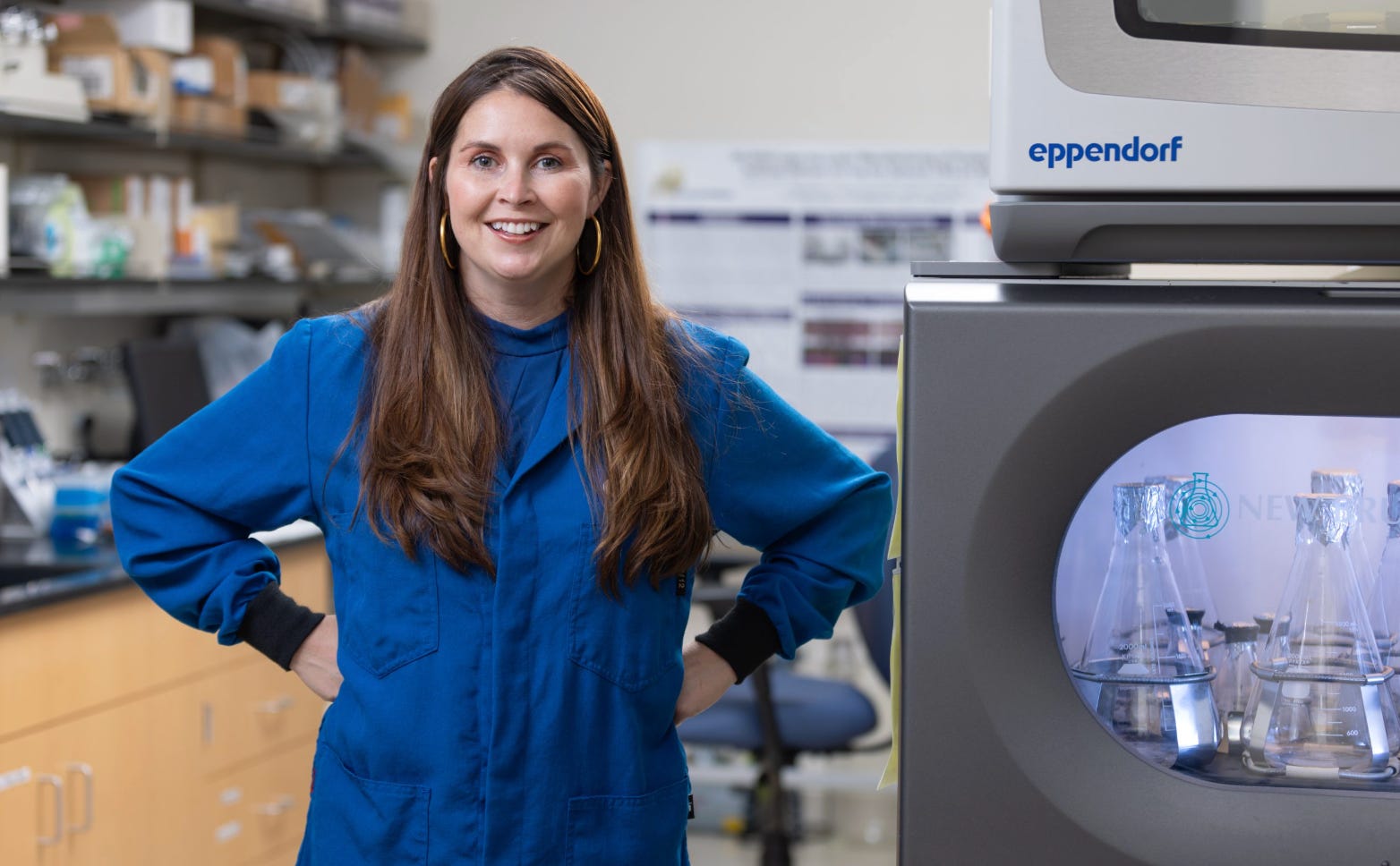
Dr. Nicole Wagner, CEO of LambdaVision, highlighted investor confidence in the value of space-enabled bio-manufacturing to accelerate terrestrial medical advancements. She views the new funding as a significant step toward clinical trials and continued innovation in low-Earth orbit production techniques.
Katelin Holloway of Seven Seven Six underscored the significance of LambdaVision’s work at the intersection of space technology and healthcare, saying it exemplifies how innovation beyond Earth can improve lives. Ariel Ekblaw from Aurelia Foundry Fund remarked that LambdaVision demonstrates the unique advantages of microgravity for advancing medicine.
Having previously received over $15 million in non-dilutive grants from NASA, the National Science Foundation, and the National Eye Institute, LambdaVision has established a strong foundation. The company is now ready to bring its space-manufactured artificial retina into clinical trials, marking a major milestone in restoring vision for patients around the world. LambdaVision’s novel approach to manufacturing in space marks a new era in bio-manufacturing and could transform not only ophthalmology, but also the production of advanced therapeutics in space.