

Israeli Defense Startup Supported by CIA Launches Tech Platform for Modern Warfare
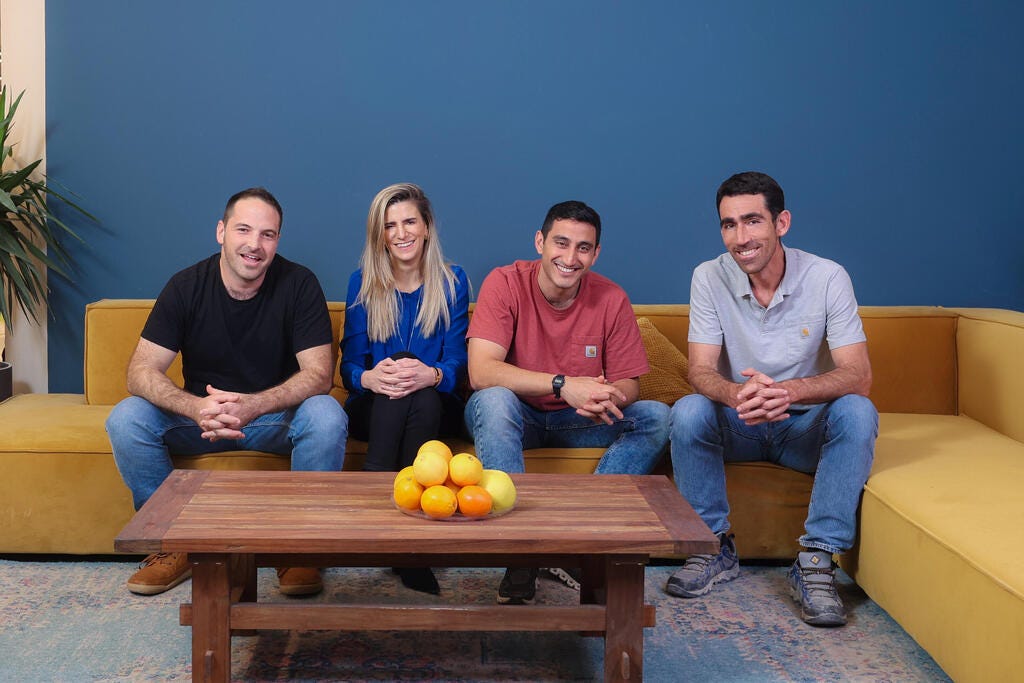
Kela Technologies, an Israeli defense tech startup established following the October 7, 2023 attacks, is emerging from stealth mode to deliver a software platform aimed at facilitating the integration of commercial technologies into existing military systems. The name "Kela" translates to "sling" in Hebrew, drawing inspiration from the biblical story of David and Goliath, symbolizing the use of simple yet effective tools to overcome larger adversaries.
Hamutal Meridor, co-founder of Kela, emphasized the shifting dynamics of warfare witnessed during the events of October 7. Despite limited resources and technological capabilities, Hamas inflicted significant damage using low-cost methods. Meridor stressed the need to adopt new technologies to adapt to these changes.
Meridor also noted that modern conflicts, including those in Ukraine and Israel's engagements with Hamas, reveal that armies are not sufficiently equipped for contemporary warfare. Integration of advanced sensors, drones, and artificial intelligence applications into military systems is essential. Although Israel possesses robust defenses against missiles and rockets, it faces challenges with emerging threats like commercial drones used by Hamas and Hezbollah.
In response to these developments, Kela is creating an open software platform for Western militaries to integrate rapidly evolving commercial and civilian technologies into existing military applications. Founded in July 2024 by Hamutal Meridor (president), Alon Dror (CEO), Omer Bar-Ilan, and Jason Manne, Kela brings together extensive experience in national security and technology.
Meridor, a veteran of IDF Unit 8200, previously worked at Vintage Investment Partners and Palantir. Dror graduated from the Talpiot program and served in Israel's defense establishment, receiving the Israel Defense Prize. Manne has a decade of experience in weapons development for the Israeli Air Force, and Bar-Ilan led algorithm development at Rafael Advanced Defense Systems.
Dror highlighted the importance of innovative responses to complex combat challenges, advocating for flexible and fast solutions rather than reliance on rigid systems or exclusive suppliers.
Kela has garnered support from US venture capital firms Sequoia Capital and Lux Capital, along with IQT, the investment arm of the CIA. The startup raised $11 million in a seed funding round led by Sequoia, followed by $28 million in a Series A round led by Lux Capital, totaling $39 million. Kela employs 25 staff members at its Tel Aviv headquarters.
Meridor expressed confidence in the backing from leading US venture firms, viewing it as validation of Kela's mission. The expertise, reputation, and networks of their partners will be instrumental in scaling the platform across Western defense markets. Following successful trials in Israel, Kela plans to leverage the raised funds to compete for defense contracts in the US and Europe, enhancing the platform's deployment.
Sequoia general partner David Kahn praised Kela's founding team, noting their ability to deliver mission-critical solutions swiftly, redefining Israel's defense capabilities. Kahn believes Kela's impact will significantly strengthen the defensive capabilities of the entire Western alliance.