

Iran Hawks Caution Trump Nuclear Talks Reminiscent of Obama Approach
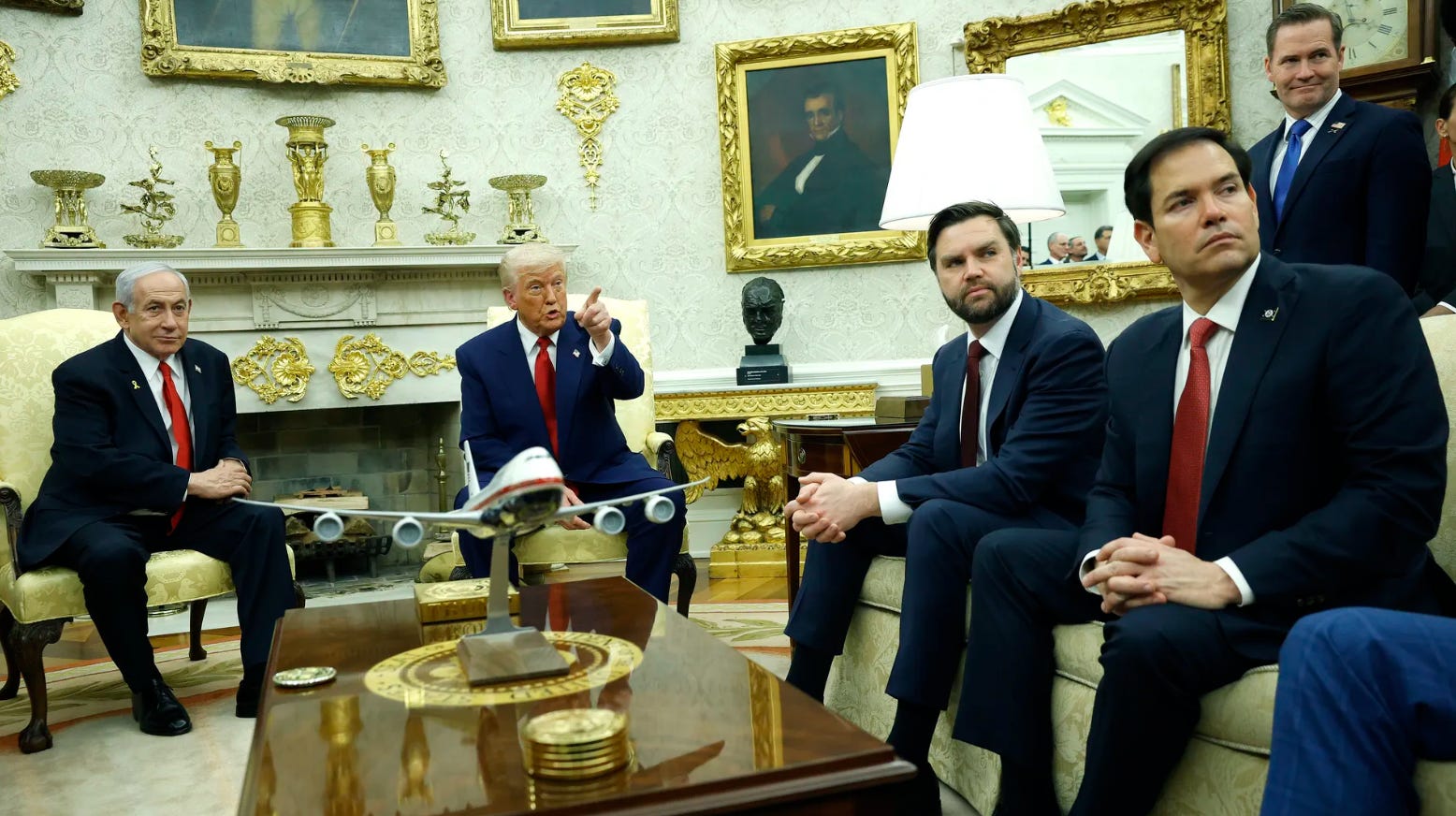
National security experts criticize President Trump's approach to nuclear talks with Iran, comparing it to the Obama-era deal. Initially, Trump's negotiator, Steve Witkoff, indicated Iran could enrich uranium up to 3.67 percent, similar to the limit in the Joint Comprehensive Plan of Action (JCPOA). However, Witkoff later stated that the goal is for Iran to completely stop its uranium enrichment and weaponization program. Witkoff emphasized the need for a durable, fair deal that ensures peace and stability in the Middle East as directed by President Trump.
The reversal followed criticism from some Iran hawks, including supporters of former President Trump. Fred Fleitz, vice chair of the America First Policy Institute, stated that Iran cannot be trusted to conduct any uranium enrichment due to its secret nuclear weapons research. Fleitz, who served as chief of staff for Trump's first National Security Council, referred to the Obama-era deal, which Trump exited during his first term, as problematic and noted that Iran's nuclear program is significantly more advanced now compared to when negotiations began during the Obama administration in 2013. He mentioned that Iran could convert reactor-grade uranium to weapon grade more quickly today.
U.S. intelligence agencies have evaluated that Iran has not yet decided to convert its uranium stockpile into weapons, although the Islamic Republic is enriching uranium up to 60 percent. Specialists suggest that achieving weapons-grade uranium of 90 percent for one bomb could be accomplished within days, and Tehran might produce sufficient fuel for multiple bombs within months. Critics of the JCPOA expressed concerns over even the 3.67 percent enrichment level. While they appreciated Witkoff's change in stance, their comments reflect apprehension regarding potential agreements President Trump might negotiate.
Mark Dubowitz, CEO of the Foundation for Defense of Democracies (FDD), a Washington-based think tank, expressed concerns on X about the potential impact of a revised nuclear deal. He urged President Biden to dismantle Iran's nuclear program, warning against being misled by Ayatollah Khamenei, Iran’s supreme leader. Jason Brodsky, policy director of United Against Nuclear Iran, highlighted that during discussions with Iranian Foreign Minister Abbas Araghchi, the previous administration's zero enrichment stance was altered to allow Iran to enrich uranium at 3.67%.
Behnam Ben Taleblu from the FDD commented on Steve Witkoff’s change of stance and a Situation Room meeting among Trump and his top security officials. He emphasized the need for a unified and strong U.S. position in negotiations with Iran. “The Islamic Republic always enters talks weak and leaves strong,” he noted.
Rep. Brad Schneider (Ill.) criticized Witkoff's mixed messages, stating they hurt U.S. credibility and benefit Iran. He emphasized the need for strategy, discipline, and unity, noting that Iran negotiates with precision. He warned that inconsistent statements from the Trump administration weaken leverage and deterrence, worry allies, and embolden adversaries.
Israeli Prime Minister Benjamin Netanyahu has advocated for the complete dismantling of Iran's nuclear program and has urged President Trump to offer U.S. military assistance for a potential strike on Iranian nuclear facilities. President Trump has indicated that military action against Iran could be considered if deemed necessary. “What must be eliminated is Iran’s axis of terror and its nuclear weapons program,” Netanyahu said, claiming that Iran Supreme Leader Ayatollah Ali Khamenei posted a graphic online calling for the destruction of Israel. “Here you have the ruler of Iran openly declaring again that his goal is to destroy the State of Israel. And the most brazen thing about this, is that he issues this while he’s negotiating, supposedly negotiating, peace with the United States,” Netanyahu said.
Key Republicans in Congress support a hawkish stance. Sen. Tom Cotton asked Trump's nominee, Elbridge Colby, to commit to offering military options to prevent Iran from developing nuclear weapons. Colby had previously suggested tolerating a nuclear Iran and focusing on containment rather than military action.
The U.S. and Iran will meet for a second round of talks in Rome on Saturday. Trump expressed concern over the weeklong gap, cautioning Iran against delays. Kelsey Davenport from the Arms Control Association sees the continuation of talks as positive, but warns that inconsistent messaging from Witkoff may strengthen Iranian hard-liners skeptical of Trump's commitment. She advises that the Trump administration should clearly outline negotiating parameters to Iran.
"Trump's deal instincts are sound, especially focusing on preventing weaponization, given Iran's advanced nuclear program," said Davenport. "Iran sees its nuclear program as crucial to its security and won't dismantle it, especially with doubts about Trump's commitment to the deal."