

Infinite Orbits Raises €40 Million for In-Orbit Services
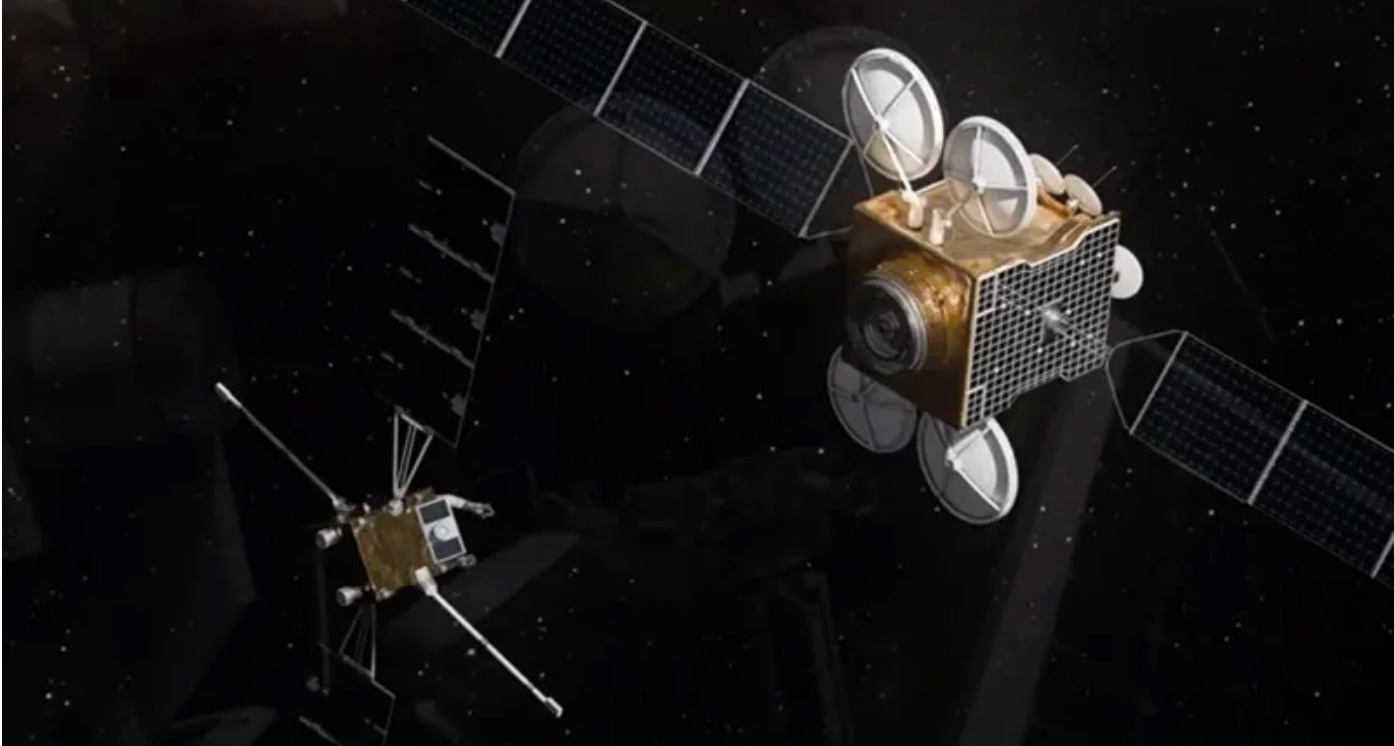
French in-orbit servicing startup Infinite Orbits has raised €40 million in additional funding to further develop its satellite life-extension and inspection technologies while expanding its presence across Europe. The oversubscribed €40 million funding round, which closed on November 17th, attracted investment from the European Innovation Council Fund, Matterwave Ventures, Wind Capital, Balnord, IRD, and Newfund Capital. Prior to this latest fundraising effort, the company had secured €12 million in May 2024.
The newly raised capital will support Infinite Orbits’ expansion within Europe, including plans to establish offices in Luxembourg, Spain, the United Kingdom, Germany, and Poland. Furthermore, the funding will accelerate the development and deployment of its fleet of life-extension and inspection satellites.
Established in 2017 and headquartered in Toulouse, Infinite Orbits is advancing two key products: Endurance, a satellite life-extension vehicle, and Orbit Guard, a compact satellite system designed for close-range inspection of geostationary spacecraft.
On November 13th, Infinite Orbits announced the signing of an agreement with SES, allowing the satellite operator to utilize Endurance to prolong the operational lifespan of one of its satellites from 2027. In August, the French Directorate General of Armament awarded the company a €50 million framework contract as part of the PALADIN initiative, which aims to enhance monitoring and protection of France’s military space assets by delivering an Orbit Guard inspection spacecraft. The company’s current order book stands at €150 million.
“Infinite Orbits has distinguished itself through its strategic market approach, comprehensive service offerings, and exceptional technical expertise, making it the leading European candidate and earning the trust of both clients and investors,” commented CEO Adel Haddoud. “This new round marks the beginning of an important phase for Infinite Orbits, positioning the company to substantially increase its backlog and unlock new use cases for space technology beyond 2030.”