

Google Agrees to Purchase Fusion Power from MIT Spinoff, Commonwealth Fusion Systems
Google and Massachusetts-based Commonwealth Fusion Systems announced on Monday, July 1st, that Google purchased 200 megawatts of power from Commonwealth’s first commercial nuclear fusion plant, equivalent to the energy required to power approximately 200,000 average American homes. This indicates the interest large technology firms have in an almost limitless source of clean energy that remains several years from realization.
Commonwealth intends to construct the plant in Virginia by the early 2030s. The timeline for generating usable fusion energy is yet to be determined, though the company plans to achieve this goal within the same period.
Google is also providing additional funding to Commonwealth - part of a yet to be announced future funding round - that will support the development of its demonstration tokamak, a doughnut-shaped device that utilizes powerful magnets and molten plasma to fuse two atoms, creating solar-like energy. Both parties described the agreement as a significant advancement towards the commercialization of fusion.
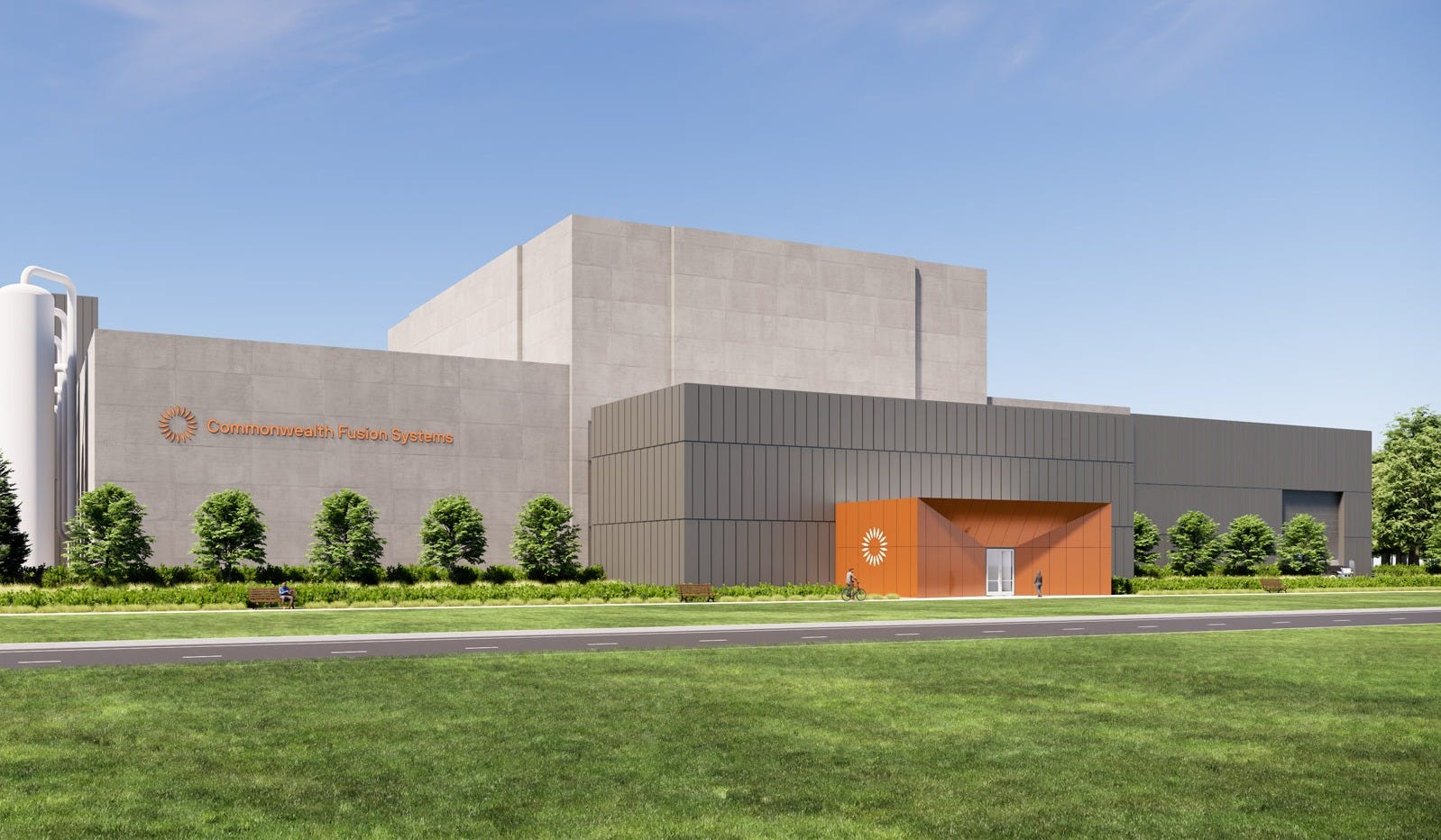
Commonwealth is currently constructing its demonstration plant in Massachusetts, named SPARC. According to the company, this tokamak could significantly alter global power sources by producing substantially more energy than coal or natural gas while generating no greenhouse gases. Fusion fuel, derived from hydrogen in seawater and tritium from lithium, is abundant. Unlike nuclear fission, fusion does not produce radioactive waste. The primary challenge remains building a machine capable of producing more energy from the reaction than it consumes.
Fusion is particularly attractive to tech companies like Google because it offers a continuous supply of electricity suitable for data centers and AI operations. Google has also funded geothermal energy and small nuclear reactor projects, which provide consistent power without carbon emissions.
Commonwealth CEO Bob Mumgaard described the agreement as the “largest offtake agreement for fusion” and noted that Google's investment would enable the company to pursue necessary research and development for its commercial fusion plant in Virginia while completing the demonstration plant in Massachusetts and working towards ignition there. “This investment allows us to work concurrently on ARC (the future Virginia plant) while finishing SPARC, rather than sequentially,” Mumgaard stated.