

Germany Aims to Deploy Satellite Missile Detection System, Reducing Dependence on the US
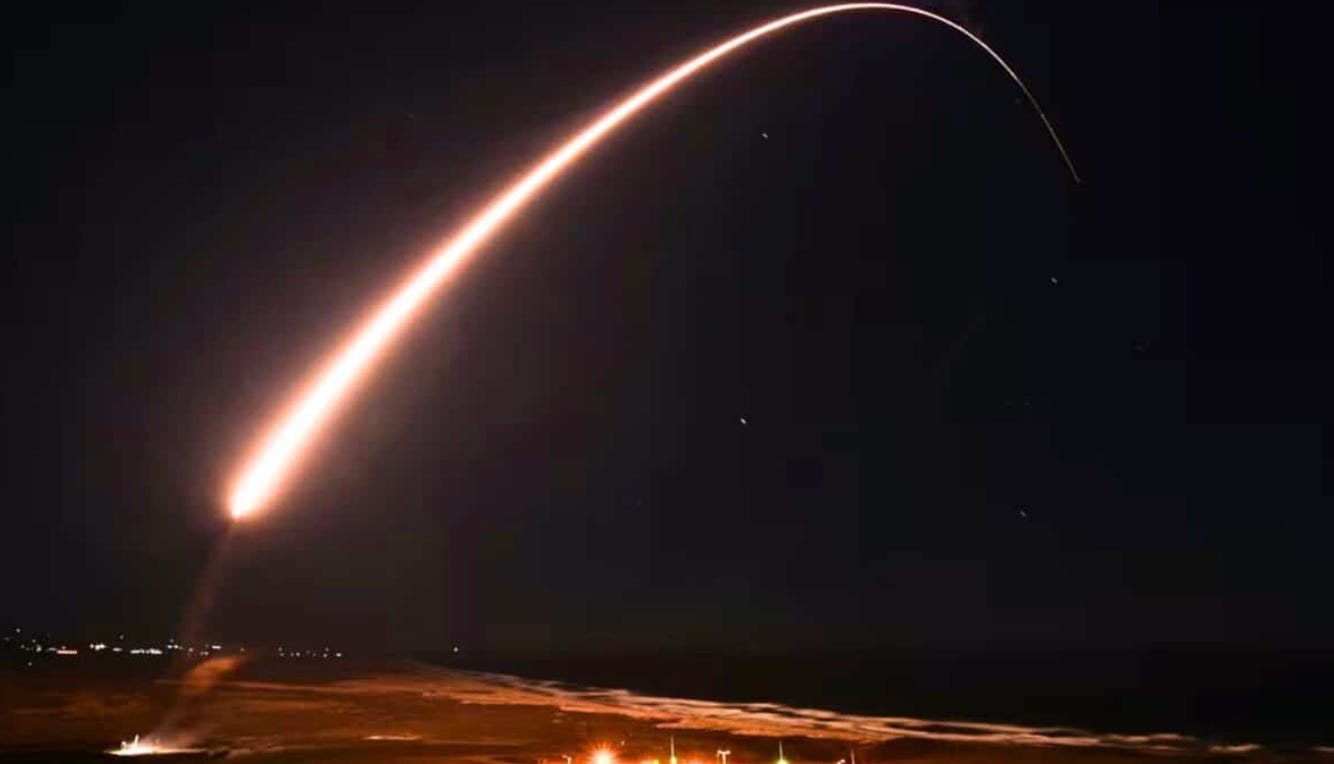
Germany is moving to deploy a national satellite-based missile detection system in an effort to reduce Europe’s reliance on U.S. early-warning capabilities. The initiative would make Berlin the first European country with an operational space-based system capable of independently detecting long-range missile launches, addressing a critical vulnerability at the foundation of Europe’s air and missile defense architecture.
The project is being driven by Germany’s space command, which has identified missile launch detection from orbit as an urgent operational requirement. While the system would be developed nationally, it is intended to be interoperable with European partners, allowing other countries to connect to the architecture over time. German defense officials argue that this approach strengthens Europe’s role within NATO by reducing asymmetries rather than weakening alliance cohesion.
At present, Europe depends almost entirely on U.S.-provided space-based early-warning systems shared through NATO to detect ballistic missile launches. That dependence is increasingly viewed as a strategic risk. Political uncertainty in Washington, combined with the shrinking warning times associated with modern missile technologies, has forced European defense planners to confront the consequences of outsourcing such a foundational capability. Early warning underpins everything that follows, from interception decisions to escalation management. Without assured access to detection data, layered air and missile defense cannot function as intended.
Germany’s move comes amid a broader surge in military space investment. Berlin has committed tens of billions of euros to space-based defense technologies by the end of the decade, placing it among the world’s leading military space spenders. This effort complements initiatives such as the European Sky Shield, which focuses on strengthening ground-based air and missile defense across the continent. A space-based detection layer closes a critical gap by providing the earliest possible warning of incoming threats and enabling interceptors to be cued in time.
Beyond early warning, Germany is also exploring the creation of its own military satellite constellations. These would support missile tracking, secure communications, intelligence collection, and operational connectivity. The rationale is practical rather than symbolic. Nationally controlled systems offer assured access, resilience, and freedom of tasking that shared or commercial platforms cannot guarantee in a crisis. For German defense planners, orbital infrastructure is increasingly treated as essential defense infrastructure rather than a supporting luxury.
Previous European efforts in missile detection never moved beyond demonstration. France tested launch-detection technology more than a decade ago, but the program was not sustained. More recently, German research institutions have launched experimental satellites focused on detecting missile launches from space, signalling a shift from exploratory research toward deployable capability.
At the European level, discussions are underway about how German systems could be integrated into a broader continental framework. The European Space Agency has begun to place greater emphasis on dual-use technologies, reflecting a wider recognition that space can no longer be separated from security requirements. While institutional limits remain, the direction of travel is clear: Europe’s defense architecture is expanding upward.
The urgency behind Germany’s push is reinforced by developments in Russia’s missile arsenal. New systems with reduced warning times and greater maneuverability have exposed Europe’s vulnerability to surprise launches. Detecting such threats early enough to respond is no longer a future challenge but a present operational necessity.
German defense leadership has instructed the armed forces to be prepared for the possibility of conflict by 2029. Space-based capabilities, however, cannot be generated on mobilization timelines. They must exist before a crisis begins. That reality is driving pressure to accelerate decisions that were previously deferred, particularly in areas where Europe has relied on U.S. systems by default.
International reactions underline how consequential this shift is. Outside Europe, Germany’s growing military space ambitions are increasingly framed as evidence that strategic competition is extending decisively into orbit. Whether viewed as defensive necessity or escalation, the signal is unmistakable: control of early warning and detection is becoming a central pillar of modern defense.
By moving to deploy its own satellite missile detection system, Germany is directly addressing one of Europe’s most serious defense gaps. A credible layered air and missile defense system begins with the ability to detect launches independently and immediately. Reducing reliance on U.S. early-warning capabilities is not about disengagement from allies, but about ensuring that Europe can see, decide, and act when it matters most.