

Firefly Announces Strategic Acquisition of SciTec to Advance National Security Capabilities
Texas-based Firefly Aerospace (Nasdaq: FLY), a market-leading space and defense technology company, has entered into a definitive agreement to acquire software and data company, SciTec, in an $855 million transaction aimed at expanding its defense sector capabilities.
Jason Kim, Firefly CEO, stated on October 5: “SciTec’s validated software and advanced data-processing abilities provide warfighters with timely and accurate information, facilitating informed decisions for national security. These capabilities substantially strengthen our capacity to deliver integrated, software-defined solutions for critical objectives, notably the Golden Dome initiative.”
The acquisition will expand Firefly’s range of space services by incorporating defense software analytics, remote sensing, and expertise in multi-phenomenology data. SciTec’s capabilities include missile warning, tracking and defense, intelligence, surveillance and reconnaissance, space domain awareness, and autonomous command and control, which will be integrated into Firefly’s launch, lunar, and in-space services. Additionally, SciTec brings ground and onboard data processing and AI-enabled systems designed for low latency operations to support threat tracking and response in various domains.
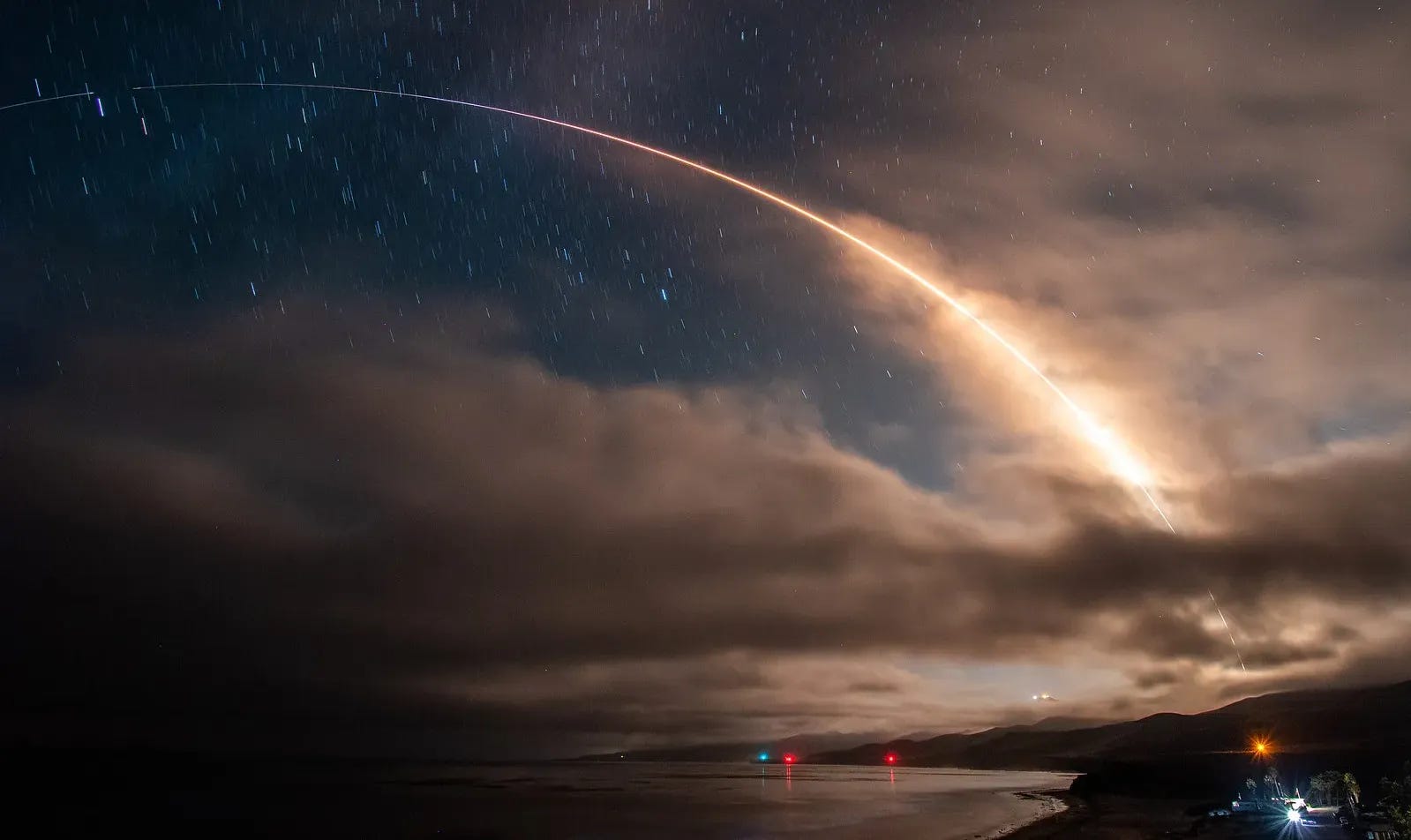
Established in 2017 with an emphasis on space launches, Firefly achieved a significant milestone in 2023 when its Alpha rocket supported the Space Force’s inaugural Tactically Responsive Space mission, placing a satellite into orbit with just 27 hours’ notice. The company holds contracts for two additional TacRS missions in the future. Despite facing setbacks, including the loss of an Alpha rocket and its Lockheed Martin payload during an April launch incident, as well as a recent test failure resulting in another Alpha rocket explosion, Firefly continues to compete with industry leaders such as SpaceX and United Launch Alliance by diversifying its offerings.
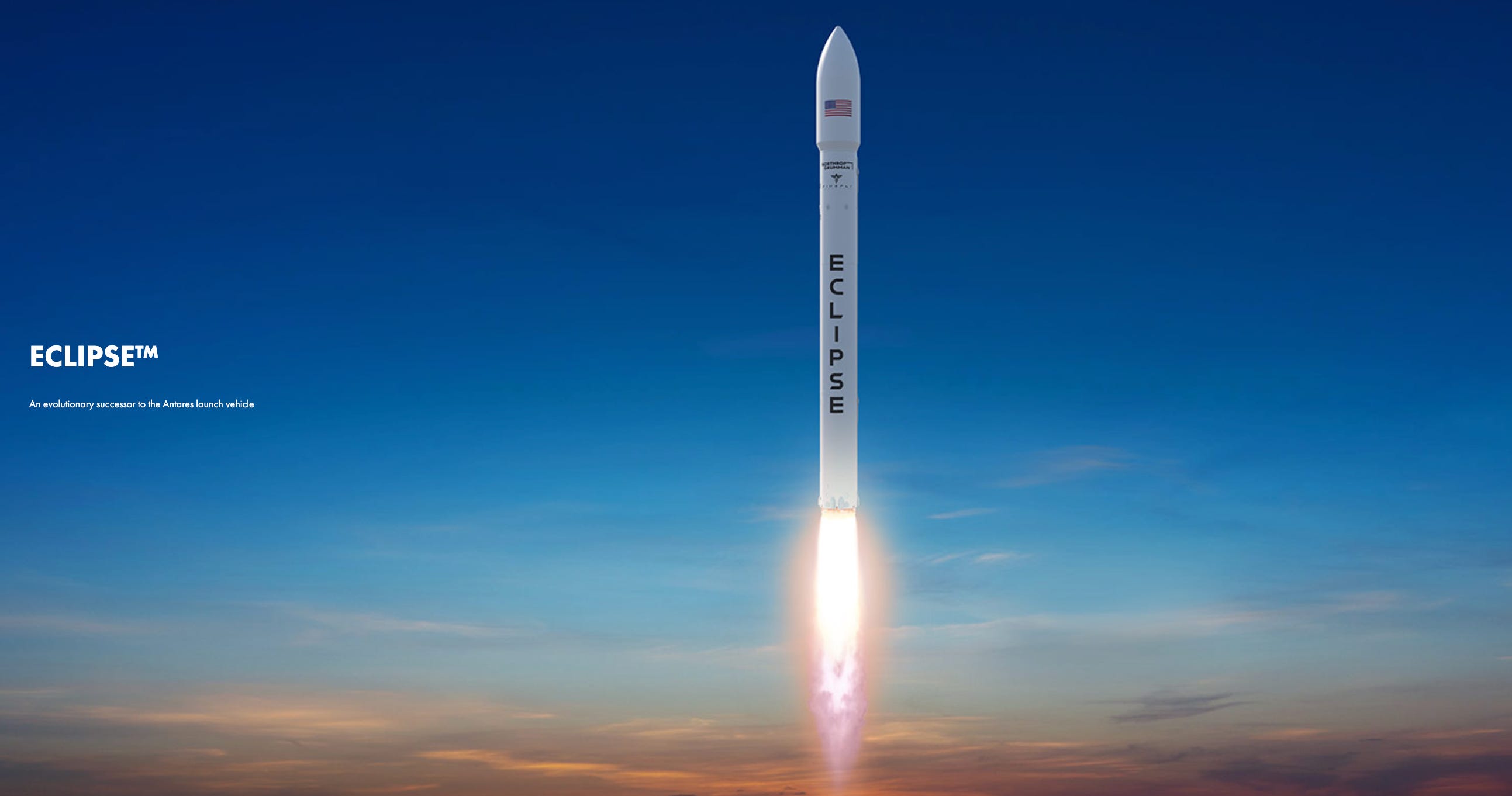
In partnership with Northrop Grumman, Firefly is developing Eclipse, a medium-class rocket targeting both military and commercial clients, with the aim of filling a void in the global launch market. The Eclipse’s first launch is anticipated in 2026 from Virginia’s Mid-Atlantic Regional Spaceport (MARS).
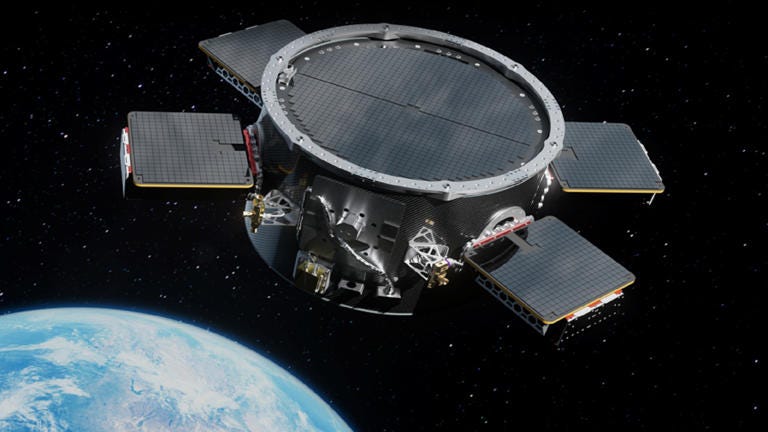
The organization has also expanded its operations into spacecraft manufacturing; in March, its Blue Ghost lunar lander became the first commercial vehicle to land successfully on the Moon. Additionally, Firefly is constructing Elytra, a series of maneuverable satellites set to debut later this year.
The proposed acquisition of SciTec will strategically enhance Firefly’s portfolio, in particular by incorporating software and ground processing expertise. SciTec, headquartered in Princeton, N.J., maintains five additional facilities strategically positioned near key space and defense customers. Upon completion, SciTec will operate as a subsidiary.
SciTec’s prior accomplishments include supporting the Air Force’s Advanced Battle Management System and contributing to the modernization of the Space Force’s missile warning and tracking infrastructure via the Future Operational Resilient Ground Evolution program.
During the investor call held on October 5, Kim emphasized that SciTec’s data-processing technology will augment Firefly’s proposal for the Pentagon’s Golden Dome missile shield project, stating: “We have the capacity to launch and deploy space-based interceptors, surrogate targets, and hypersonic test assets, while integrating sensor network data processing. This capability enables a closed fire control loop with an integrated interceptor network, effectively providing the essential components for the U.S. homeland air and missile defense shield. SciTec is positioned to deliver the necessary fire control and common ground elements for Golden Dome.”
Beyond the Golden Dome, Kim highlighted that integrating SciTec’s data processing and ISR solutions with platforms such as Elytra and Blue Ghost could advance space domain awareness and address the Space Force’s requirements for highly maneuverable and adaptable satellites.