

Budget Cuts to NASA Threaten Space-Enabled Medical Research
Research aimed at developing treatments for conditions such as cancer, blindness, and Parkinson’s disease is severely threatened by the announced $6.1 billion budget cuts to NASA for 2026 by President Trump. The forecasted $508 million cut for the International Space Station (ISS) will disrupt space research, discourage investment, hinder the space manufacturing economy, risk losing specialized talent and expertise, and compromise the U.S. leadership in space-based life science research. Such reductions are counterproductive to the administration's stated commitment to supporting American medical and pharmaceutical research along with advanced manufacturing.
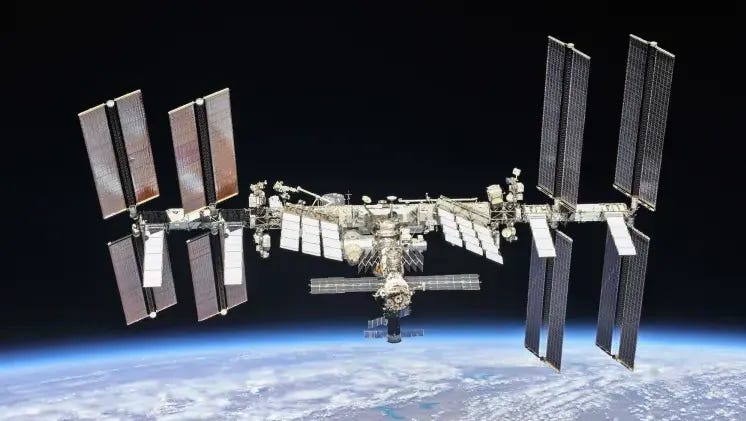
Medical research in low Earth orbit (LEO) has yielded significant results over the past two decades, contributing to over 400 peer-reviewed articles. LEO's unique, gravity-free environment allows for research and production not possible on Earth.
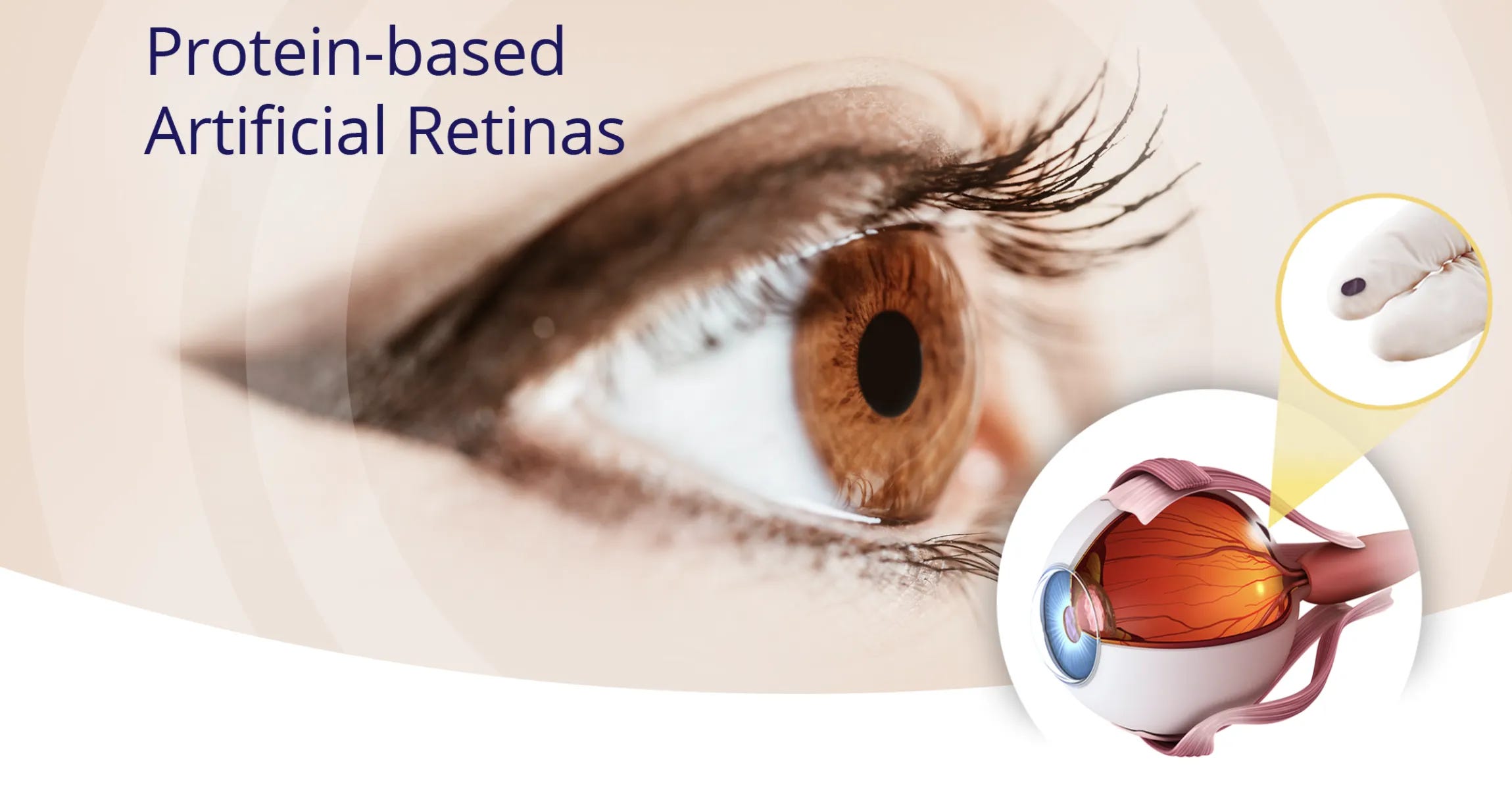
The potential benefits of space-enabled healthcare are substantial. For example, LambdaVision's artificial retina, one of the first technologies evaluated on the ISS with clinical application potential, offers a scalable solution for restoring sight to individuals with retinal degenerative diseases, a condition that affects over 50 million people globally and represents a multi-billion-dollar market. In the microgravity of LEO, it is possible to produce higher-quality and more uniform artificial retinas compared to those made on Earth. LambdaVision’s research, conducted with Space Tango through nine missions to the ISS, has developed essential processes and techniques in microgravity manufacturing, machine learning, scaling, quality control, and laboratory methods, demonstrating the significant potential of commercial LEO destinations for various industries.
Companies like Eli Lilly and Redwire Space are using the ISS to develop treatments for chronic, oncologic, immunologic, and cardiovascular diseases. Bristol-Myers Squibb is researching bone disease treatments in space, while the National Stem Cell Foundation studies 3D brain organoids from Parkinson’s patients in microgravity to observe disease progression and identify therapeutic targets.
The space-enabled healthcare market is projected to grow to between $10- 20 billion by 2035, contingent upon foundational research being sustained. The proposed $6.1 billion budget cuts to NASA could reduce U.S. astronaut presence, the frequency of research, and access for private research, undermining the return on two decades of investment in the commercial LEO economy.
Reduced funding will cut ISS research payload flights from five to three per year. This poses challenges for companies relying on these missions, potentially delaying research timelines, undermining investor confidence, and jeopardizing space-based development due to research gaps.
Advancing space research has the potential to significantly enhance healthcare treatments and save lives. Nevertheless, under the current trajectory, small space companies, entrepreneurs, their customers, and investors are exposed to considerable risks. This situation jeopardizes the retention of specialized space scientists and engineers, as well as the development of vital treatments for blindness, cancer, and neurodegenerative diseases. To sustain a thriving space-based ecosystem where research and innovation can prosper, it is essential to facilitate the transition to commercial low Earth orbit (LEO) destinations, restore funding for space-based research, and ensure access for scientific payloads - activities already in alignment with national biotechnology and advanced manufacturing goals.