

Auterion Secures $130M to Scale AI Software for Autonomous Drones
On September 23, 2025, autonomous systems software startup, Auterion, announced it had raised a $130 million Series B funding round led by Bessemer Ventures, with participation from existing investors Lakestar, Mosaic Ventures, and Costanoa Ventures. Of the $130 million raised, $25 million is supported by the DoD’s Office of Strategic Capital and provided by Rochefort. The company stated it will use the funding to scale production of its AuterionOS platform and Nemyx defense system, enabling autonomous drone swarms to operate across air, land, and sea.
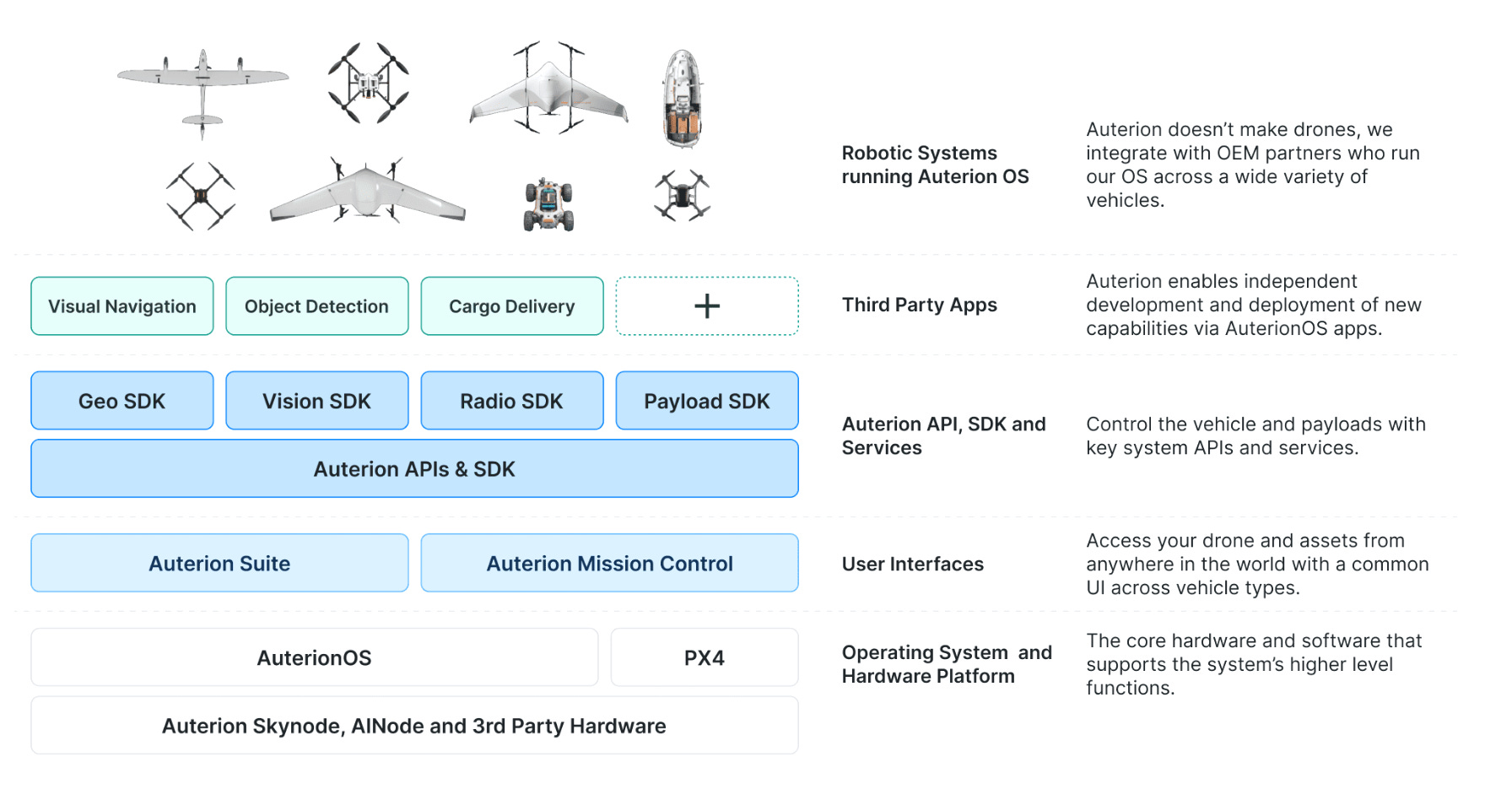
Auterion was founded in 2017 by CEO Lorenz Meier and Kevin Sartori, who is no longer involved in day-to-day operations. The company originated from an academic team at the Swiss Federal Institute of Technology Zurich (ETH) focused on autonomous flight control systems; it initially developed delivery drones before shifting to defense applications following the Russian invasion of Ukraine in 2022. According to Pitchbook, the company has raised an accumulated total of $62 million prior to this recent round. Headquartered in Arlington, Virginia, with engineering bases in Zurich and Munich, Auterion maintains a presence in Kyiv to support Ukrainian defense operations.
In July, Auterion announced a $50 million contract with the US Department of Defense to deliver 33,000 AI-powered drone guidance kits to Ukraine by the end of 2025. This is one of the most high-profile and large-scale applications of autonomous drone systems to date in a military context, especially in the West.
In December, a partnership with German defense conglomerate Rheinmetall was revealed to establish military industry standards for unmanned aerial, land, and naval drone systems. Additional partnerships include Lockheed Martin and Taiwan's National Chung-Shan Institute of Science and Technology (NCSIST), with an agreement to supply swarming software for Taiwan’s military signed in June.
Auterion’s main products include:
AuterionOS: An advanced version of the PX4 autopilot system, serving as the foundation for the company's technology.
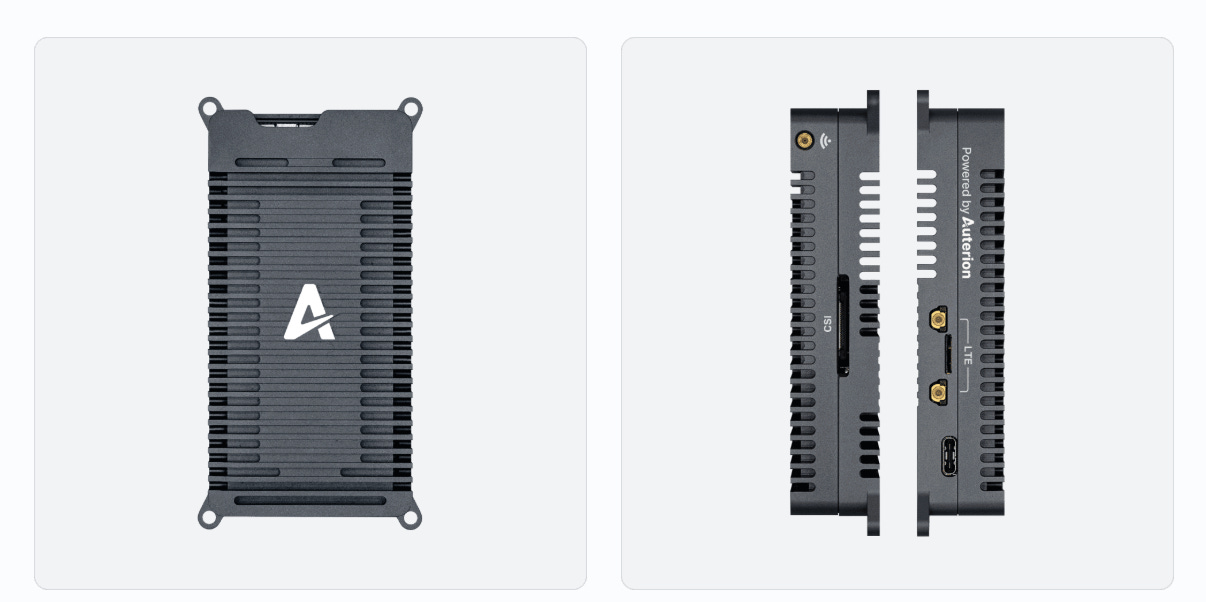
Skynode: Compact hardware modules running AuterionOS that enable autonomy and mission execution, designed to be resistant to jamming and cost-effective. These modules are scheduled for delivery to Ukraine.
Nemyx: Swarming software based on previous Nemesis technology, enabling multi-drone coordination and mission planning in contested environments.
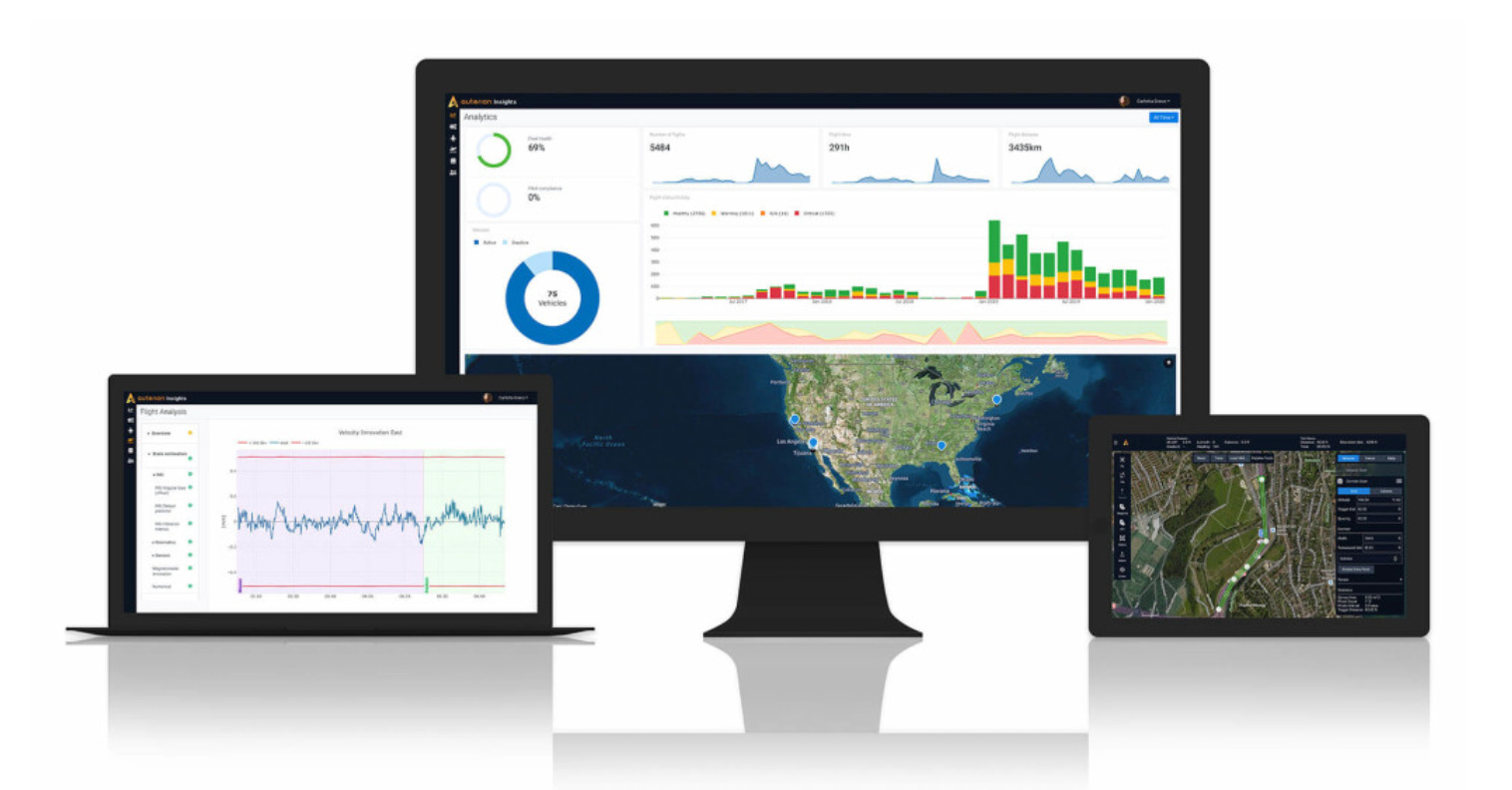
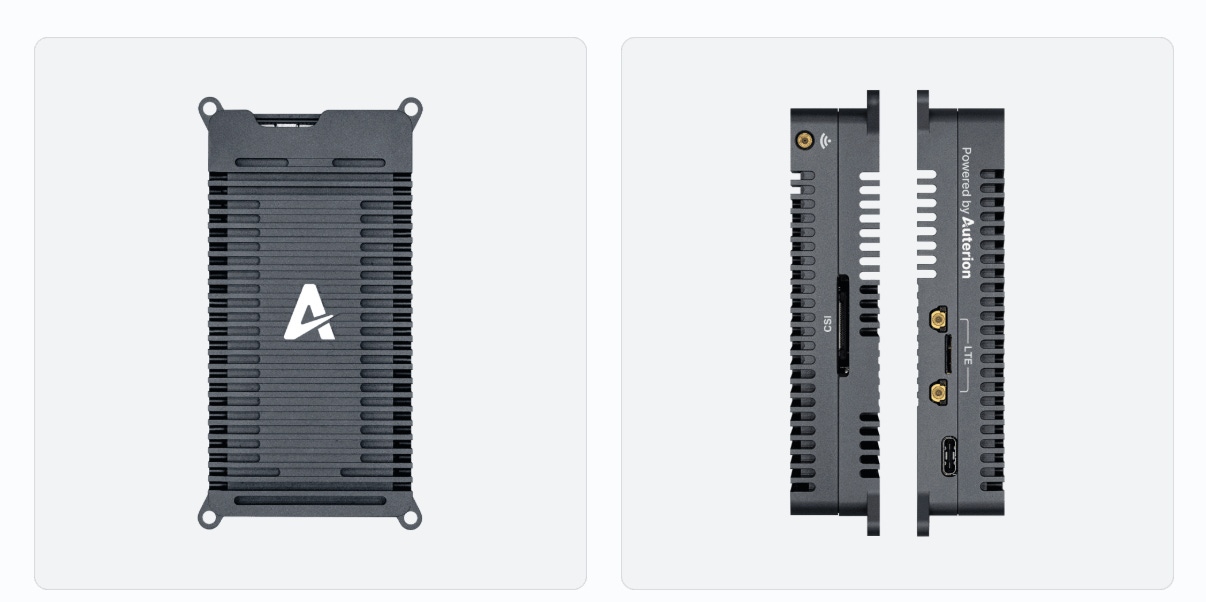
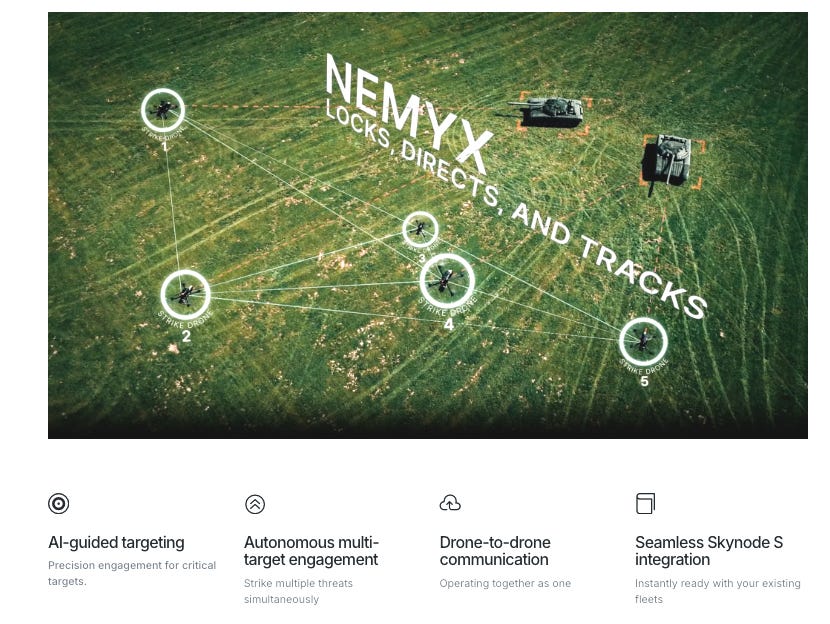
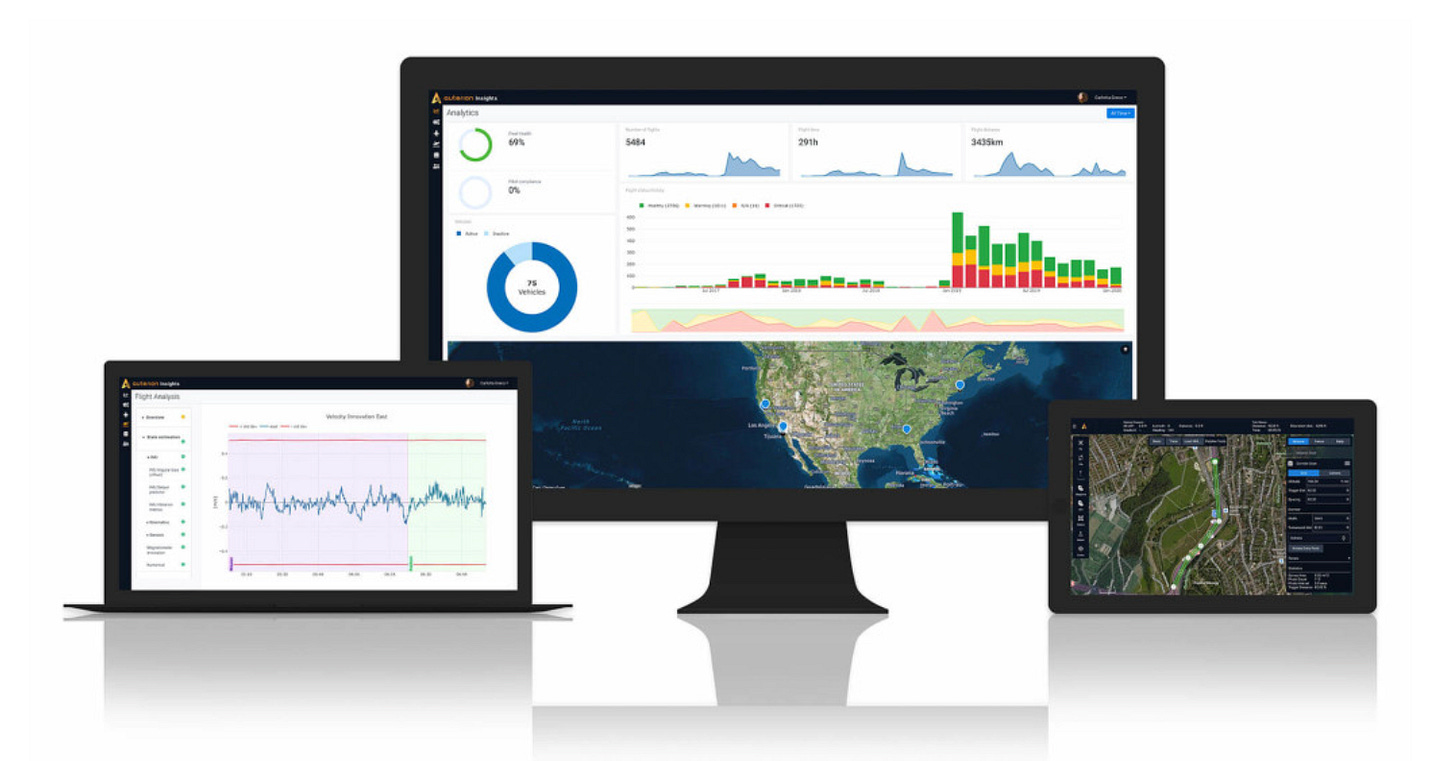
Auterion’s software is designed for open-platform integration, allowing compatibility with diverse systems. Battlefield testing in Ukraine has reportedly resulted in reduced pilot training time, improved resistance to jamming, increased hit rates, and adaptability to changing conditions.
Auterion’s CEO Meier stated: “The future of warfare is software-defined, unmanned, and at scale. Auterion’s customers are taking the lessons from Ukraine and applying them to deploying drone swarms. Decisive advantage on the battlefield won’t be achieved by individual drones - it’ll be achieved by autonomous mass.”
“The war in Ukraine has demonstrated that advancements in AI combined with commercially available hardware has changed the nature and economics of warfare, enabling new defensive and offensive capabilities at lower cost,” added Alex Ferrara, Partner at Bessemer. “Auterion is at the forefront of this seismic shift, as the defense industry switches from peace time artisan hardware to war time mass production to defend democratic allies from foreign aggressors.”
The company indicated that this latest investment affirms its leadership role in supplying defense software to the US. and allied countries. Leveraging its AI and open-source capabilities, Auterion plans to expand its influence in both the U.S. and European defense markets, capitalizing on the growing demand for autonomous drone systems.
With European countries like Germany, France, and the UK investing heavily in autonomous drone technology for defense, Auterion’s open-source, customizable solutions well-position the startup to meet growing demand. The company plans to announce contracts with at least two European nations in the coming weeks. The company’s European expansion strategy aims to solidify its role as a key partner in the defense tech ecosystem, offering interoperable solutions that integrate seamlessly with NATO forces and European defense priorities.